5 Best WooCommerce Mini Cart Extensions

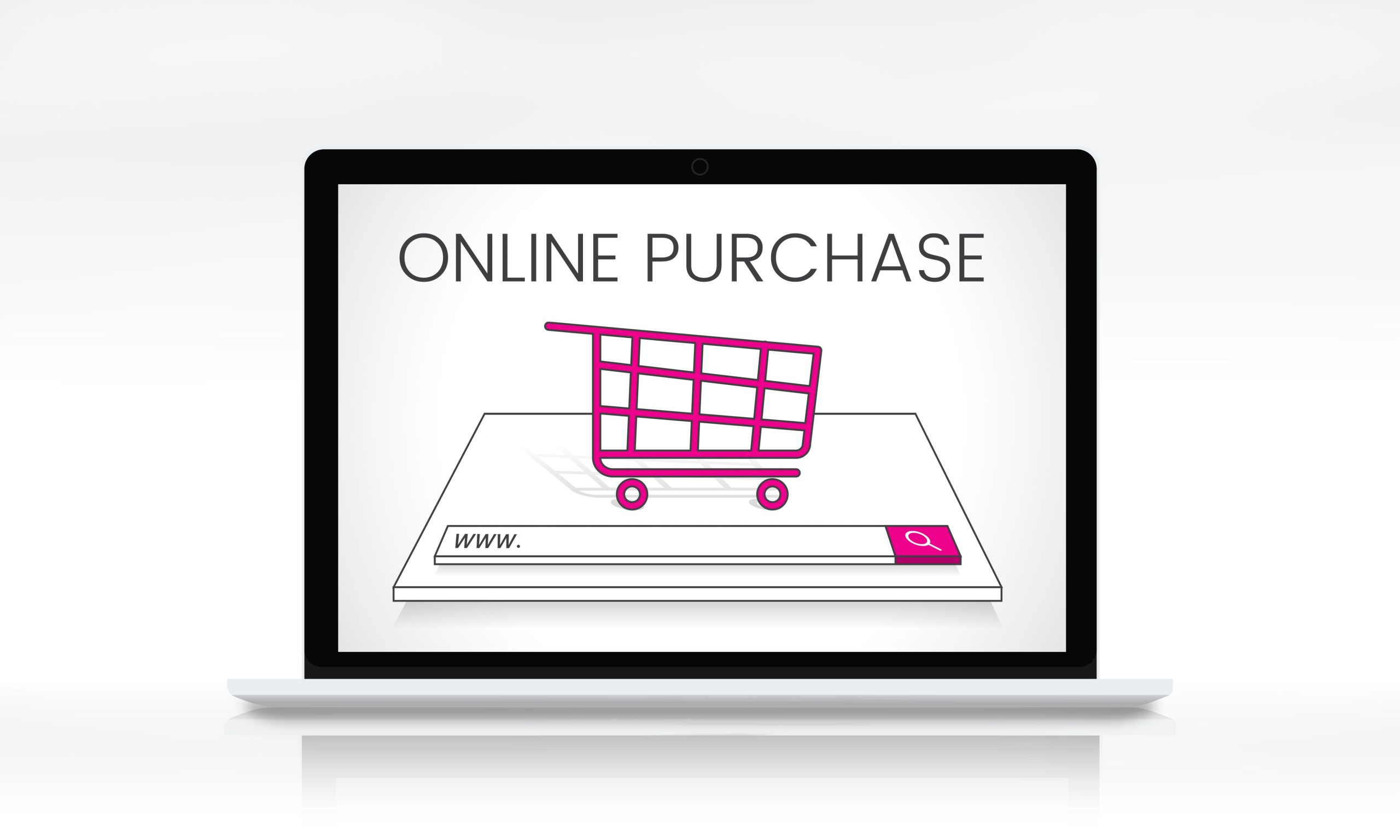
For any eCommerce store owner, providing a smooth and seamless shopping experience is key to increasing conversion rates. WooCommerce mini cart extensions can transform your store’s cart functionality, making it easier for customers to view and manage their selected items, and ultimately boosting sales. The right one turns a basic cart icon into a small but meaningful conversion tool, without adding real complexity to how the store runs.

WooCommerce mini cart extensions improve the functionality of your store’s cart. These extensions allow customers to view, add, or remove items from their cart without navigating away from their current page, making the shopping experience much more convenient. Today, we’re diving into the best WooCommerce mini cart extensions that can elevate your online store.
What Is a WooCommerce Mini Cart Extension?
A WooCommerce mini cart extension is a plugin that enhances your online store’s cart system. These extensions display a cart icon, usually in the top right corner, that shows a summary of items added to the cart. They make it easier for customers to review their purchases, adjust quantities, and proceed to checkout, all without leaving the page they’re currently on. Different extensions offer different features and designs, from customizing the cart’s appearance to adding product recommendations or simplifying the checkout process entirely.
Why Do You Need a Mini Cart Extension?
Having a well-built mini cart matters for creating a smooth, user-friendly experience on your store. When customers can easily see their cart, update items, or check out from any page, they’re less likely to abandon their shopping carts. That directly impacts sales and customer satisfaction. A well-designed, functional mini cart reduces friction, boosts conversions, and gives the whole store a more professional feel.
Key Features to Look for in a Mini Cart Extension
When selecting a mini cart extension for your store, it’s worth weighing the following:
- Ease of Use: The extension should be intuitive for both customers and store owners. The design should be clean, with easy-to-read fonts and clear cart details.
- Customization Options: The ability to change the cart’s appearance to align with your store’s branding is essential. Look for extensions that offer customizable themes, colors, and icons.
- Real-Time Updates: Customers appreciate real-time updates to their cart as they add or remove products.
- Quick Checkout Options: Letting customers proceed directly to checkout from the mini cart streamlines the shopping experience.
- Responsive Design: The mini cart should function flawlessly on mobile devices as well as desktops, since a large share of cart interactions now happen on a phone.
The 5 Best WooCommerce Mini Cart Extensions for Your Store
1. YITH WooCommerce Menu Cart
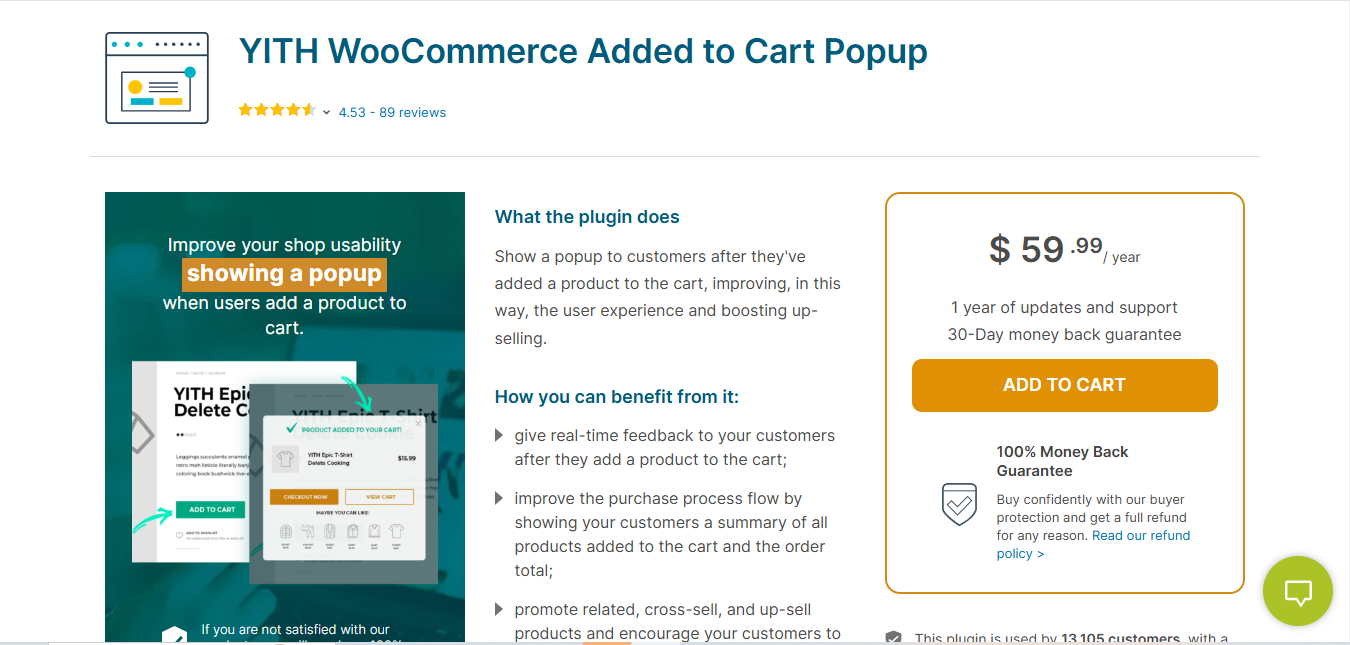
YITH WooCommerce Menu Cart is a premium plugin designed to add a visually appealing and functional mini cart to your website’s menu. This plugin ensures a seamless shopping experience by displaying cart contents without navigating away.
Key Features
- Fully customizable mini cart for your menu.
- Displays cart items, quantities, and totals in real time.
- Compatibility with all major WooCommerce themes.
- Mobile-friendly design.
Pros
- Customizable design and icons.
- Enhances user experience with real-time updates.
- Simple setup for premium functionality.
Cons
- Focused primarily on menu integration; no advanced cart management.
Why It Stands Out
This plugin is perfect for stores looking to enhance cart visibility directly in the navigation menu.
Also Read: 10 Best WooCommerce SMS Plugins
2. Mini Cart for WooCommerce
Mini Cart for WooCommerce is a premium plugin from WooCommerce that enhances the shopping experience by adding an interactive, customizable mini cart to your store. It allows customers to view and manage their cart without leaving the current page, streamlining the path to checkout.
Key Features
- Interactive Mini Cart: Customers can update quantities or remove items directly from the mini cart.
- Customizable Appearance: Adjust colors, layout, and styles to match your store’s theme.
- Mobile Responsive: Fully optimized for mobile devices, ensuring a smooth experience across all platforms.
- Real-Time Updates: Cart contents and totals update instantly as changes are made.
- WooCommerce Compatibility: Designed to work seamlessly with WooCommerce and other WooCommerce-supported themes and plugins.
Pros
- Enhances user experience with real-time interactivity.
- Encourages quick decision-making with a visible cart.
- Fully customizable to fit your branding.
Cons
- Requires WooCommerce setup to function.
- Some advanced features may need additional WooCommerce extensions.
Why It Stands Out
This plugin is ideal for store owners looking to provide a seamless cart experience. Its real-time updates and customization options make it a powerful tool for improving conversions and reducing cart abandonment.
3. WooCommerce Cart Notices
WooCommerce Cart Notices is an official WooCommerce extension that boosts engagement by displaying promotional notices in the mini cart. These reminders encourage users to complete purchases or meet conditions for discounts or free shipping.
Key Features
- Dynamic cart-based notices.
- Customizable messages for promotions or offers.
- Works seamlessly with WooCommerce mini cart displays.
Pros
- Drives conversions with tailored cart notices.
- Fully integrated with WooCommerce settings.
Cons
- Limited to notice customization, not full cart functionality.
Why It Stands Out
It’s an excellent add-on to enhance customer motivation and highlight promotions directly in the cart.
4. WooCommerce Dynamic Pricing and Discounts
WooCommerce Dynamic Pricing and Discounts pairs perfectly with premium mini cart plugins to highlight promotions and discounts in real time.
Key Features
- Dynamic Pricing Rules: Create complex rules based on quantity, user role, or product categories, displayed dynamically in the cart.
- Advanced Targeting Options: Customize offers and discounts for specific customer groups or purchase scenarios.
- WooCommerce Integration: Works seamlessly with WooCommerce core and other extensions, ensuring consistent functionality.
Pros
- Encourages higher sales by showcasing visible discounts directly in the cart.
- Supports a wide range of discount strategies for maximum flexibility.
- Fully compatible with premium WooCommerce extensions, including mini-cart plugins.
Cons
- The initial configuration may require time to master due to its advanced capabilities.
Why It Stands Out
This plugin makes it easy to highlight active deals and discounts directly in the cart, improving transparency and boosting the likelihood of conversions. It’s a great complement to other premium cart-related plugins, ensuring an optimized checkout experience.
Also Read: 10 Best WooCommerce Social Login Plugins
5. CartFlows – WooCommerce Funnel Builder
CartFlows is a premium sales funnel builder for WooCommerce that incorporates a customizable mini cart to boost sales performance.
Key Features
- Integrated mini cart with upsell and order bump features.
- Custom checkout flows and layouts.
- Analytics to track cart and sales performance.
Pros
- High customization for sales-driven businesses.
- Increases conversions with optimized funnels.
- Professional-grade design and functionality.
Cons
- Requires a subscription for full features.
Why It Stands Out
It’s more than just a mini cart plugin, it transforms your store into a conversion machine.
Comparison Table
| Name of Tool | Best For | Standout Feature | Pricing |
|---|---|---|---|
| YITH WooCommerce Menu Cart | Enhancing cart visibility in navigation menus | Fully customizable mini cart displayed in the menu | Premium pricing (varies based on license type) |
| Mini Cart for WooCommerce | Providing interactive and customizable cart experience | Real-time updates and mobile responsiveness | Premium pricing through WooCommerce marketplace |
| WooCommerce Cart Notices | Displaying promotional notices in mini carts | Dynamic cart-based promotional messages | Premium WooCommerce extension pricing |
| WooCommerce Dynamic Pricing and Discounts | Highlighting promotions and discounts in real-time | Dynamic pricing rules displayed in the cart | Premium pricing for advanced features |
| CartFlows – WooCommerce Funnel Builder | Creating optimized sales funnels with mini cart features | Integrated mini cart with upsell and order bump features | Subscription-based pricing |

How to Choose the Right Mini Cart Extension for Your Store
The right pick depends less on which plugin has the longest feature list and more on what your store actually needs. A store built primarily around impulse purchases benefits most from something like CartFlows, where upsells and order bumps live directly in the cart flow. A store running frequent promotions gets more mileage from Cart Notices or Dynamic Pricing, since the visible discount messaging is what nudges hesitant buyers toward checkout. A store that just needs a clean, reliable cart icon in the navigation, without extra sales mechanics, is usually best served by YITH’s Menu Cart or the core Mini Cart for WooCommerce plugin.
It’s worth resisting the urge to install several of these at once. Overlapping mini cart plugins can conflict on the same cart icon or template hook, leading to duplicate carts or broken styling. Pick the one that matches your primary goal, test it thoroughly, and only add a complementary plugin, like Dynamic Pricing alongside a menu cart, once the first one is confirmed working cleanly on its own, in a staging environment, before it ever touches live traffic.
Common Mini Cart Mistakes to Avoid
Overloading the mini cart with upsells. A cart crowded with cross-sell suggestions, coupon fields, and shipping calculators all at once can overwhelm a customer who just wants to check what they added. Keep the core cart view clean, and layer in extras carefully.
Not testing on mobile. A mini cart that looks polished on desktop can render as a cramped, unusable dropdown on a phone screen. Since a significant share of WooCommerce traffic is mobile, this is one of the first things to check after activating any cart extension.
Ignoring load time impact. Some mini cart plugins load additional scripts and styles on every page, even pages where the cart isn’t the focus. Checking page speed before and after activation catches a plugin that’s quietly slowing the whole store down.
Skipping accessibility checks. A mini cart that only works with a mouse, no keyboard navigation, no screen-reader labels on the cart icon, quietly excludes a share of potential customers. Most of the reputable plugins listed here handle this reasonably well by default, but it’s worth a quick check with keyboard-only navigation after setup.
A Hypothetical Example: Reducing Cart Abandonment
The following is a hypothetical, illustrative example, not a real store, meant to show how a mini cart change might affect abandonment rates.
Imagine a mid-sized apparel store where customers frequently added items to their cart but abandoned the site before reaching checkout. Store analytics suggested many customers weren’t aware their cart already qualified for free shipping, since the threshold wasn’t visible anywhere until the checkout page itself.
After installing WooCommerce Cart Notices alongside the existing mini cart, a simple message, “You’re $12 away from free shipping,” appears directly in the cart dropdown as items are added. Customers can see the progress in real time, and completing the extra purchase to unlock free shipping becomes a visible, achievable goal rather than a surprise discovered too late. Over the following weeks, cart abandonment on orders just below the free shipping threshold shows a noticeable improvement, since the incentive is now visible at the exact moment it can influence the decision, rather than buried on a later page.
Setting Up a Mini Cart Extension: What to Check Before Going Live
Once you’ve picked a plugin, a short checklist before pushing it to production catches most of the common issues before customers ever see them.
- Confirm it displays correctly across your active theme’s header layout. Some themes position the cart icon differently, and a mini cart plugin can occasionally clash with a theme’s existing cart placement.
- Test the add-to-cart animation and update speed. A laggy or jumpy cart update looks unpolished and can make customers wonder if their action actually registered.
- Verify coupon and shipping calculations show correctly in the mini cart. Some plugins only pull in the subtotal and miss dynamic pricing rules or applied coupons, showing a number that doesn’t match the final checkout total.
- Check behavior with an empty cart. The empty state should give a clear, friendly prompt to start shopping rather than showing a blank or broken-looking dropdown.
Mini Cart Extensions vs. Building Custom Cart Functionality
For most stores, an existing mini cart plugin is the right call over custom development. The plugins covered here have already solved the harder edge cases, AJAX updates, mobile responsiveness, WooCommerce hook compatibility, that a custom build would need to re-solve from scratch.
Custom development starts to make sense only when a store has genuinely unique requirements a plugin can’t accommodate, tightly integrated loyalty points displayed inline in the cart, for example, or a cart experience embedded inside a broader custom checkout flow that off-the-shelf plugins weren’t built to handle. For the large majority of WooCommerce stores, that threshold is never actually reached, and a well-configured existing plugin covers the need at a fraction of the cost and maintenance burden of custom code.
Frequently Asked Questions
Do I need a premium mini cart plugin, or is a free one enough?
For a small store just starting out, a free or theme-included mini cart is often enough to cover the basics. Premium plugins earn their cost once a store needs real-time promotional messaging, advanced customization, or funnel-building features that free options generally don’t include.
Will a mini cart extension slow down my WooCommerce store?
Any plugin adds some overhead, but well-built mini cart extensions are designed to load efficiently and update via AJAX rather than full page reloads. Checking your site’s load time with a tool like GTmetrix before and after installation is the most reliable way to confirm a specific plugin isn’t causing a meaningful slowdown.
Can I use more than one mini cart plugin at the same time?
Running two plugins that both try to control the same cart icon or dropdown usually causes conflicts, duplicate cart displays, or broken styling. It’s generally safer to choose one primary mini cart plugin and add complementary tools, like a dynamic pricing plugin, that enhance it rather than replace its core function.
How do mini cart extensions affect mobile conversions specifically?
A responsive, easy-to-tap mini cart reduces the friction of reviewing and adjusting an order on a small screen, which directly affects whether a mobile shopper completes checkout or abandons the process out of frustration. Extensions that aren’t built mobile-first tend to show measurably worse performance on phone traffic than on desktop.
What’s the difference between a mini cart and a full cart page?
A mini cart is the compact dropdown or slide-out panel accessible from anywhere on the site, usually triggered by clicking a cart icon in the header. The full cart page is a dedicated page showing the same items with more room for shipping calculators, coupon fields, and detailed line items. Most stores use both together: the mini cart for quick glances while browsing, the full page for a more deliberate review before checkout.
Can a mini cart extension help reduce cart abandonment on its own?
A mini cart alone won’t fix abandonment caused by unexpected shipping costs or a confusing checkout flow, those are separate problems. What it can do is remove friction earlier in the process, letting customers confirm their order is correct without navigating away from what they’re browsing, which removes one common reason shoppers lose momentum and leave.
Do these plugins work with WooCommerce Blocks and the block-based checkout?
Compatibility varies by plugin and update cadence, since WooCommerce’s block-based checkout is a newer system that not every extension has fully adopted. Checking the plugin’s changelog or support page for explicit WooCommerce Blocks compatibility before installing avoids a mismatch between an older plugin and a newer checkout setup.
Enhancing User Experience with WooCommerce Mini Cart Extensions
For a professional WooCommerce mini cart setup, YITH WooCommerce Menu Cart and Mini Cart for WooCommerce are top-tier options for functionality and design. For businesses focused on increasing sales, CartFlows and WooCommerce Dynamic Pricing and Discounts provide additional tools to boost conversions and customer engagement. Whichever combination fits your store, the goal stays the same: let a customer see, adjust, and trust their cart without ever losing their place on the page.
Interesting Reads
10 Best WooCommerce Minimum Maximum Quantity Plugins