Branding and Creativity: How I Build a Unique and Memorable Brand

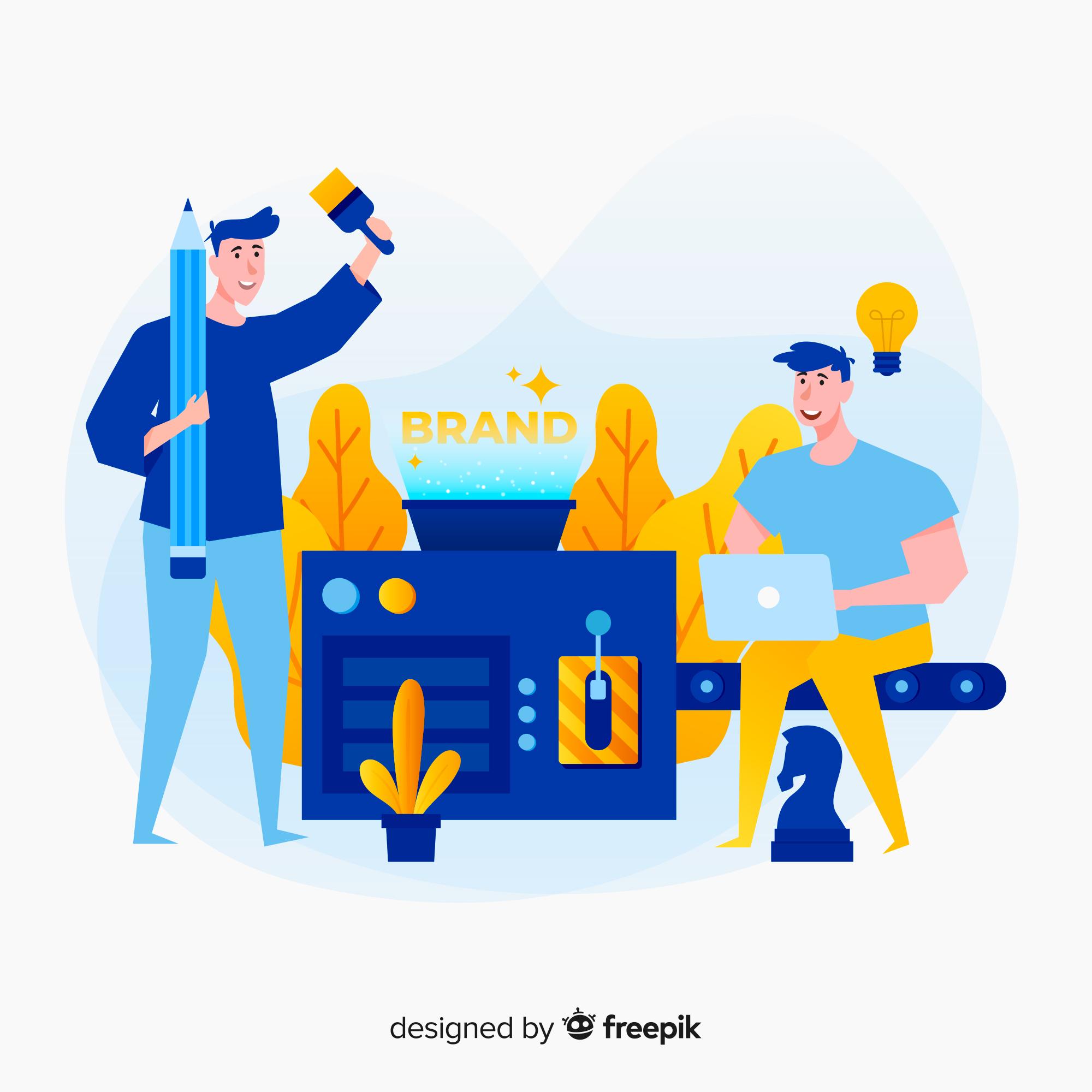
If there’s one thing I’ve learned in my journey, it’s that creativity isn’t just a part of branding, it’s the heartbeat of it. When I first started working with brands, I used to think design and marketing were about making things look good and sound professional.
But over time, I realized that what truly makes a brand powerful isn’t its perfection, it’s its personality. A brand comes alive when creativity gives it a voice, a face, and a feeling that people can connect with. That’s when it stops being a business and starts being a story.
Think about the brands we all admire: Apple, Airbnb, Nike, Canva. What makes them unforgettable isn’t just their logo or tagline. It’s how they make people feel. Their creativity isn’t decoration, it’s communication. Every design choice, every campaign, every word is crafted with purpose. That realization completely changed how I approach branding. For me, creativity is not the final step of the process, it’s the foundation.
It’s how I transform strategies into stories and audiences into communities. Today, when I build a brand, I don’t just ask, “What will it look like?” I ask, “What will it mean to people?”
In this complete guide, I’ll take you inside how I approach branding with creativity at the center, from shaping identity and storytelling to designing visuals, building emotional connections, and crafting marketing that reflects who you are. And if you want to explore specific parts of this journey more deeply, I’ve included internal links to my detailed sub-guides throughout this page, from brand identity psychology and storytelling to digital branding strategies and creative campaigns. Together, these ideas form the creative framework that helps me (and can help you) build a brand that not only looks great but feels alive.
Why Creativity Is the Foundation of Branding
I believe that people don’t remember businesses. They remember brands that make them feel something. Creativity is how I build that emotional connection. It helps me turn ideas into experiences, transform visuals into emotions, and turn products into something people trust and talk about.
In 2026, the brands that stand out aren’t the loudest ones, they’re the most human, consistent, and creative. That’s why I treat creativity as a strategy, not decoration.
What Branding Means to Me
When I talk about branding, I don’t just mean visuals or slogans. Branding, to me, is the promise you make to your audience and the way you deliver on it consistently. It’s how you make people recognize, relate to, and trust you.
If you want to understand the deep emotional side of it, read my guide on The Psychology of Brand Identity. It explains how colors, fonts, and design choices affect perception and create emotional responses. Understanding brand psychology helps me make creative decisions that actually influence how people feel.
How I Bring Creativity into Branding
Creativity turns strategy into something alive. Over time, I’ve developed a personal rhythm for it: Inspire, Express, Connect, Stay Consistent, Evolve, Measure.
- I find inspiration from my audience and their emotions.
- I express ideas visually and verbally.
- I connect with real stories and relatable content.
- I stay consistent in tone and personality.
- I evolve with changing trends and culture.
- I measure what’s working and improve.
Each of these six steps deserves a closer look, because “be consistent” or “stay inspired” means nothing without a concrete way to actually do it.
Inspire: Where I Actually Look
Inspiration doesn’t come from staring at a blank page or scrolling competitor websites. It comes from customer support transcripts, from reading the actual words people use to describe their problems, from sitting in on sales calls and hearing the hesitations real buyers voice out loud. The brands with the sharpest creative voice are almost always the ones whose founders or marketers spend real time close to the customer, not the ones with the biggest mood board.
Express: Translating a Feeling into a Choice
Once I know the feeling I’m chasing, calm, playful, trustworthy, bold, every creative decision becomes a filter question: does this choice reinforce that feeling or work against it? A font, a color, a headline, a photo style, each one either adds to the emotional throughline or dilutes it. This is the difference between decorating a brand and actually expressing one.
Connect: Making It About Them, Not You
The campaigns and content that connect hardest are rarely the ones bragging about the product. They’re the ones where the audience sees a version of their own life or problem reflected back at them. I try to write and design as if I’m describing the customer’s world first, and only introducing the brand once that world feels recognizable to them.
Turning Ideas into Identity
Once the creative direction is clear, I focus on translating it into something visual. Visual branding covers everything your audience sees, logo, typography, colors, and overall style. When I work on a brand identity, I start by asking what emotion I want people to feel right away: calm, confident, curious? That feeling becomes the foundation of my visual system.
If you want to create your own style guide or visual system, explore Building a Visual Brand Identity. It’s my go-to process for ensuring every visual element communicates the right message consistently.
Creative Storytelling: The Emotional Core of Branding
Great branding starts with great storytelling. You can design the most beautiful visuals, but if people don’t understand why you exist, it won’t connect. Storytelling gives purpose to creativity. It makes your brand human and relatable.
When I create brand stories, I always focus on three questions:
- Why does this brand exist?
- How do I want people to feel?
- How do I make them see themselves in my story?
You can learn my storytelling approach in Creative Storytelling for Brands, where I show how to blend narrative, emotion, and visuals to make brands unforgettable.
Creativity in Campaigns: Bringing It All to Life
Once the story is ready, I bring it to life through creative marketing campaigns. Campaigns are where branding meets the real world. They express your message across visuals, content, and emotion. I once helped a local brand scale nationwide just by using customer stories as the core of their campaign. That emotional truth built both trust and loyalty.
Brands like Dove and Nike built identity through storytelling, emotion, and social purpose long before “purpose-driven marketing” became a buzzword, and the throughline in both cases is the same: the campaign was never really about the product feature list, it was about a belief the brand was willing to state plainly and repeat consistently for years, not just one quarter.
What Makes a Campaign Feel Creative Rather Than Generic
The difference between a campaign that feels genuinely creative and one that feels like a template swap usually comes down to specificity. A generic campaign could run for almost any brand in the category with a logo swap. A creative campaign is built from something only this brand could say, a real founder story, a genuinely unusual customer use case, a stance the company actually holds that a competitor wouldn’t. If you can imagine your direct competitor running the exact same campaign with their name on it, the idea probably isn’t creative enough yet, it’s still at the “safe and generic” stage.
Digital Creativity: Standing Out Online
In today’s world, your digital presence is your brand. I’ve seen businesses with great products fail to stand out online because their communication lacked creativity. That’s why I apply creative thinking to every digital touchpoint:
- Website design that reflects brand personality.
- Social media that connects emotionally, not just visually.
- Email marketing that feels like a conversation.
- Influencer and video content that builds community.
If you want to learn how I bring all these together, check out Digital Branding Strategies for 2026. It explains how to creatively use SEO, content, and engagement to grow a brand’s online presence.
Measuring the Impact of Creative Branding
Even creativity needs data. If I can’t measure how my audience feels or responds, I can’t grow my brand effectively. I track metrics like brand awareness, engagement, sentiment, loyalty, and retention. These insights help me see what’s connecting emotionally and what’s not.
If you want to understand how to balance creativity with clear analytics, my post on Measuring Branding Success will guide you through the tools and KPIs I rely on.
The Metrics That Actually Correlate With Creative Work
A lot of teams default to reach and impressions as their creative success metrics, but those numbers mostly reflect media spend, not creative quality. Branded search volume (people typing your company name directly into Google after seeing a campaign), unaided brand recall in surveys, and organic share rate (people reposting or forwarding content without being paid to) are far better signals that creative work actually landed emotionally rather than just getting shown to a lot of eyeballs.
When Creative Instinct and Data Disagree
This is the tension nobody talks about enough. Sometimes the version of an ad or a page that tests best in an A/B test is the safest, most sanded-down version, and the boldest, most memorable creative choice underperforms on a two-week click-through test while quietly building brand equity that doesn’t show up for months. I’ve learned to treat short-term performance data as one input, not the final verdict, especially for brand-building work rather than direct-response campaigns. The question I ask isn’t just “which version converted better this week” but “which version, run consistently for a year, builds a brand people actually remember and choose on purpose.” Those two questions sometimes point in different directions, and creative leadership means being honest about which one you’re actually optimizing for on a given project.
Common Ways Creativity Gets Diluted in Practice
Most brand creativity doesn’t die in one dramatic decision, it erodes slowly through a series of small, individually reasonable compromises. A stakeholder asks for the logo to be bigger. Legal asks for a bolder disclaimer. A well-meaning colleague suggests softening a bold headline “just to be safe.” Each edit alone seems minor. Stacked across a dozen rounds of review, the distinctive idea that started the project gets sanded down into something inoffensive and forgettable.
The fix isn’t refusing feedback, it’s protecting the core emotional idea explicitly during review, stating up front which element of the concept is load-bearing and shouldn’t be compromised, while staying genuinely flexible on everything else. Not every element of a creative concept deserves equal protection, but the one or two things actually carrying the emotional weight of the idea do.
Building a Brand Voice Guide That Actually Gets Used
Most brand guidelines documents I’ve inherited from other teams are beautiful, thorough, and completely ignored six months after they’re written. The reason is usually that they describe the visual system in detail, logo clearances, color hex codes, font pairings, and treat voice and tone as an afterthought, a single page of adjectives like “friendly, bold, authentic” that could describe literally any brand on earth.
A voice guide that people actually reference needs to be specific enough to make a real decision from. Instead of “friendly,” I write actual example sentences: here’s how we’d write this error message, here’s how we wouldn’t. Instead of “bold,” I list three real headlines we’ve shipped that hit the mark and one we killed because it didn’t. Concrete examples train a team’s instincts far faster than abstract adjectives, and they’re the difference between a document that shapes every piece of content going out the door and one that sits in a shared drive collecting dust.
Who Should Own the Voice Guide
In most organizations I’ve worked with, voice consistency breaks down not because nobody wrote it down, but because no single person is actually responsible for catching drift. Assigning real ownership, someone who reviews a sample of outgoing content monthly against the guide and flags where it’s slipping, matters more than how polished the original document is. A living, occasionally-updated one-pager with a real owner beats a perfect fifty-page PDF nobody checks against.
Creativity Under Constraints
One thing I hear often from smaller businesses is some version of “we don’t have the budget to be creative like the big brands.” I think this gets the relationship backwards. Constraint is often what forces genuinely creative thinking, a brand with an unlimited production budget can paper over a weak idea with expensive execution; a brand with a tiny budget has to find the idea that works regardless of production value.
Some of the most memorable small-business marketing I’ve seen came from constraints turned into a feature: a founder filming an unpolished, honest video on their phone because that’s all they had, and it outperforming a polished ad specifically because the rawness read as authentic rather than corporate. The lesson isn’t “always be unpolished,” it’s that the constraint you’re working within is worth designing around rather than fighting against or apologizing for.
Keeping Creativity Alive
Branding never truly ends. It grows, evolves, and adapts as culture shifts and as you do. That’s why I constantly experiment with new visuals, formats, and stories. I revisit what works and update what feels outdated, without losing my core identity.
To do this well, I often revisit The Psychology of Brand Identity to stay true to my foundation, and I use lessons from Creative Storytelling for Brands to keep my storytelling fresh.
Turning Creativity Into Lasting Impact
At its heart, branding isn’t just about looking good. It’s about feeling right. It’s the art of shaping how people experience you. Every color, word, and interaction becomes a small piece of your story. When I look back at the brands I’ve built, the most rewarding part isn’t the logo reveal or campaign launch. It’s seeing how people connect with the brand over time, how it becomes part of their life. That’s when I know creativity has done its job.
Because creativity isn’t about making noise, it’s about making meaning. It’s the difference between a brand people scroll past and a brand people remember, talk about, and trust.
If you take one thing away from everything above, let it be this: creativity in branding isn’t a department, a mood board, or a once-a-year rebrand. It’s a daily discipline of choosing the specific over the generic, protecting the idea that actually carries emotional weight through a dozen rounds of feedback, and measuring whether any of it actually changed how people feel about you, not just how many times they saw your name.
What keeps me going is the realization that branding is never finished. It’s a relationship that grows stronger with every story shared, every design refined, and every idea tested. And creativity is what keeps that relationship alive.
So when I create, I don’t chase trends, I chase truth. I focus on telling stories that feel real, designing experiences that inspire, and crafting identities that last. That’s what turns a creative spark into a lasting impression.
Branding gives direction. Creativity gives life. Together, they build connection that stands the test of time.
If you’re ready to shape your own brand journey, explore these detailed guides I’ve created to help you every step of the way:
- The Psychology of Brand Identity
- Building a Visual Brand Identity
- Creative Storytelling for Brands
- Digital Branding Strategies for 2026
- Measuring Branding Success
Start where it feels natural, experiment boldly, and let your creativity shape something that lasts, because great branding isn’t built in a moment, it’s built through meaning.
Interesting Read
12 Best WooCommerce Plugins For Google Product Feed & Boost Your Sales in 2025
How to Pick the Cheapest Website Builder That Works
10 Best Software for E-commerce Automation in 2025: Simplify, Scale, Succeed