Local SEO Dublin Experts to Help You Get Found and Grow Locally

Dublin is a small city with a crowded search results page. Walk down Grafton Street or through Temple Bar and you will pass a dozen businesses selling roughly the same thing to roughly the same people, and every one of them is fighting for the same three or four spots that show up when someone pulls out a phone and searches “near me.” If you run a business here, whether it is a plumbing outfit in Tallaght, a physio clinic in Rathmines, or a solicitor’s office on Dawson Street, the question is not whether local search matters. It is whether you are actually winning it or just assuming your website is “doing SEO” because someone built it three years ago and never touched it again.
Local SEO Dublin work is not the same as general SEO, and treating it that way is the single biggest reason otherwise decent businesses stay invisible. General SEO chases rankings across the whole internet. Local SEO chases rankings inside a radius, and that radius is judged by an entirely different set of signals: your Google Business Profile, the consistency of your name, address and phone number across directories, how close your listed address sits to the searcher, and how many people have bothered to leave a review. Get those pieces right and a business with a modest website can outrank a competitor with a much slicker one. Get them wrong and no amount of blog writing will save you.
What Local SEO Actually Means for a Dublin Business
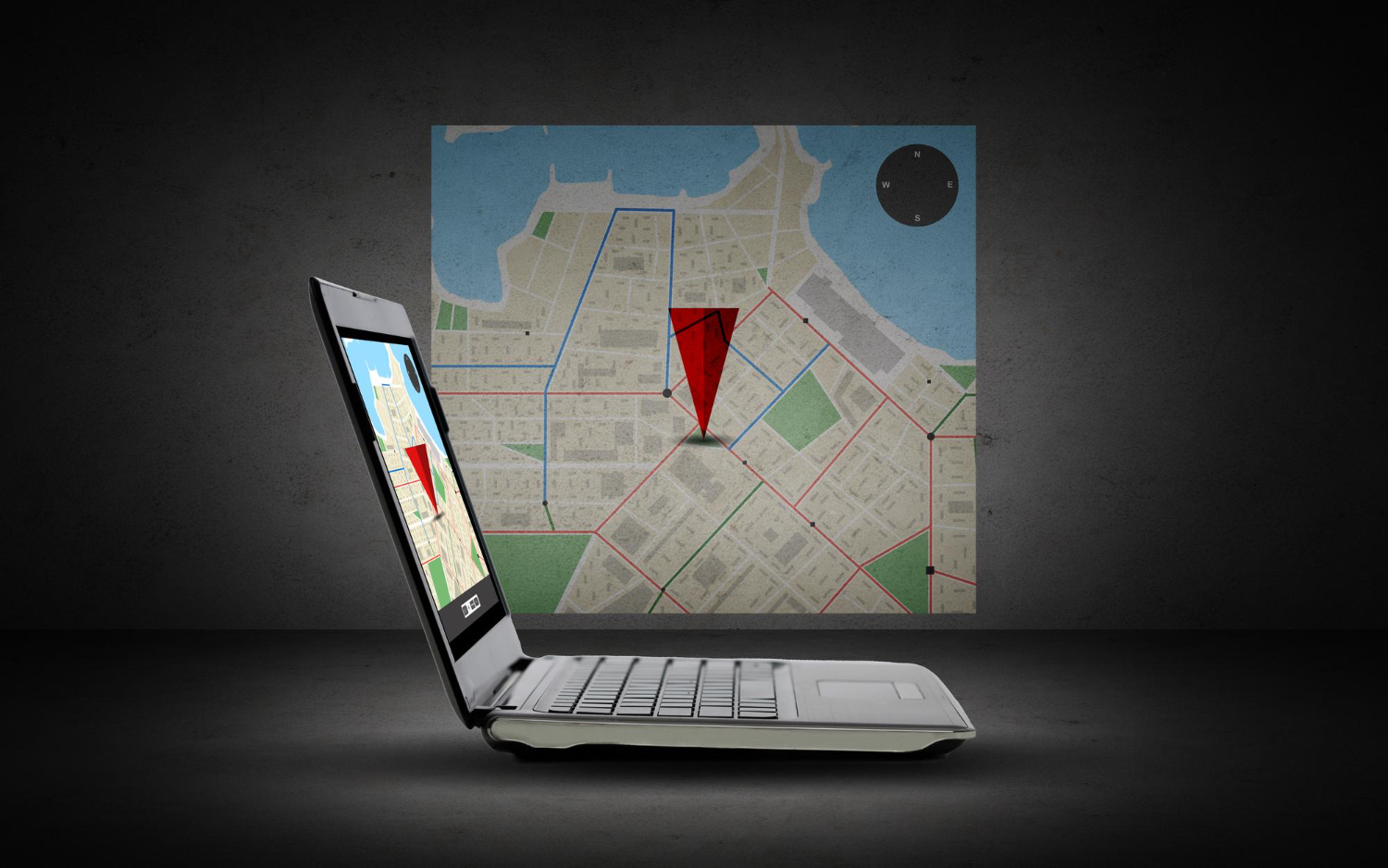
When someone in Dublin 2 searches “accountant near me” or someone in Swords searches “emergency electrician,” Google is not just looking for the most relevant website. It is trying to answer a question with a geographic component baked in, and it leans on a mix of proximity, relevance and prominence to decide who gets to appear in the Local Pack, that block of three business listings with a map that shows up above the regular blue links. Ranking in that pack, rather than further down the organic results, is where the real traffic sits. Most people never scroll past it.
For Dublin specifically, there is a wrinkle that a lot of generic SEO advice misses: Ireland’s address system is unusual. Eircodes are not always entered consistently, county lines inside the greater Dublin area (Dublin 1 through Dublin 24, plus Fingal, South Dublin and Dún Laoghaire-Rathdown) get mixed up constantly, and postal districts carry real weight in how locals search. Someone in Blackrock is not going to search “Dublin business,” they will search “Blackrock” or “South Dublin,” and if your Google Business Profile only lists “Dublin” as a service area, you are leaving that traffic on the table.
What to Look for When Choosing Someone to Handle Your Local SEO
Plenty of agencies will tell you they do “SEO.” Far fewer actually understand the mechanics of local search well enough to move the needle for a business that lives or dies by foot traffic and phone calls. Here is what separates the ones worth paying from the ones who will burn three months of your budget on generic blog posts.
1. Genuine Familiarity With the Dublin Market
An agency that has only ever worked with clients in London or New York will apply assumptions that do not hold here. Dublin postal districts function almost like their own micro-markets, a restaurant in Dublin 8 competes on a different footing than one in Dublin 4, and search volume, competition and even the phrasing people use (“takeaway” versus “restaurant,” “solicitor” versus “lawyer”) shifts by neighbourhood and by industry. Ask any prospective SEO partner to name three of their current Dublin clients and describe, specifically, what changed in the Google Business Profile or citation strategy for each. Vague answers are a red flag.
2. Real, Hands-On Google Business Profile Experience
Your Google Business Profile (still commonly called GMB from its old “Google My Business” name) is the single highest-leverage asset in local search. An agency worth its fee should be able to show you before-and-after screenshots of profiles they have optimised: category selection, service area configuration, the Q&A section, Posts, product listings if relevant, and photo cadence. If they cannot speak fluently about primary versus secondary categories, or explain why “Plumber” as a primary category outranks “Plumber” buried as a secondary one, keep looking.
3. A Track Record You Can Actually Verify
Case studies are easy to write and hard to fake convincingly if you know what to check. Ask for a client you can call, or at minimum a Google Business Profile you can look up yourself and compare against historical data using a tool like Wayback Machine or a rank tracker’s history. A firm that has genuinely improved local rankings will have no problem pointing you at a real, current example.
4. Broader SEO Competence, Not Just Local Tricks
Local SEO does not exist in a vacuum. Technical issues, slow page speed, broken redirects, duplicate content across service pages, will cap how far local optimisation alone can take you. The best Dublin-focused practitioners are comfortable moving between technical SEO, content strategy and the local-specific tactics, because a business with a fast, well-structured website and a properly optimised profile will consistently beat one that only has the profile sorted.
5. Willingness to Explain Rather Than Obscure
Search algorithms change constantly, and Google has run several core updates in the past year alone that shifted how local prominence gets calculated. Someone who cannot explain, in plain language, what changed and why your rankings moved is either not paying attention or does not want you to understand enough to question their invoices. Clear, regular communication is not a nice-to-have; it is how you tell competence from guesswork.
Why Local SEO Is Worth the Investment
It is worth stating plainly why any of this matters, because “you need SEO” gets said so often it has stopped meaning anything.
You Reach People at the Exact Moment They Are Ready to Buy
Someone searching “emergency plumber Dublin 6” at 9pm on a Sunday is not browsing. They have a burst pipe and they are choosing, right now, who gets the call. Local SEO is the difference between being the business they find in the first ten seconds and the business that never enters the picture at all. That kind of high-intent traffic converts at a rate that generic brand awareness advertising simply cannot match.
More Qualified Website Traffic
A business ranking well locally does not just get more visitors, it gets more of the right visitors: people physically close enough to actually become customers, rather than clicks from across the country that never convert.
Higher Conversion, Not Just Higher Visibility
Appearing in the Local Pack with strong reviews and accurate information does more than get someone to your site, it gets them to trust you before they have even spoken to you. That trust translates directly into phone calls, form fills and walk-ins.
Credibility That Compounds
Ranking near the top of local search sends an implicit signal: this business is established and trusted enough that Google is comfortable putting it in front of people. Customers pick up on that signal even if they could not articulate why.
Data You Can Actually Use
Google Business Profile Insights and Google Analytics together show you what people searched to find you, how they found you (direct search versus discovery), and what they did once they landed, called, requested directions, visited the site. That is a level of customer intelligence most small Dublin businesses never look at, and it should be shaping decisions about services, hours and even location.
How to Put Local SEO to Work for Your Dublin Business
Understanding why it matters is the easy part. Here is what actually moves rankings, in the order most Dublin agencies would prioritise it.
Target Local Keywords Properly
This goes beyond sprinkling “Dublin” into your homepage title. Build out content and metadata around the specific districts and neighbourhoods you actually serve, Rathmines, Ranelagh, Phibsborough, Sandymount, whatever applies, because that granularity is exactly what separates a business that only shows up for “Dublin [service]” from one that shows up for the dozen more specific searches people actually type.
Claim and Fully Build Out Your Google Business Profile
An unclaimed or half-finished profile is one of the most common reasons a decent business ranks poorly. Fill in every field: categories, service areas, opening hours (including holiday hours, which Google increasingly weighs), attributes, and a genuinely descriptive business description rather than a copy-pasted mission statement. Upload real photos regularly rather than a handful uploaded once at launch.
Get Listed Consistently Across Directories
Golden Pages, Yelp, Trustpilot and industry-specific Irish directories all matter, but the value comes from consistency, not just presence. Your business name, address and phone number need to match, character for character, everywhere they appear. A listing with “St.” in one place and “Street” in another creates the kind of ambiguity that makes Google trust your data less.
Publish Content That Actually Serves Dublin Customers
Generic blog posts rarely move local rankings. Content tied to something real, sponsoring a local GAA club, covering a neighbourhood event, publishing a genuinely useful guide to a local regulation that affects your industry, does two things at once: it earns natural local backlinks, and it gives people an actual reason to engage with your business beyond the transaction.
Actively Manage Reviews
Reviews are both a ranking factor and a trust factor, and the two reinforce each other. Ask satisfied customers directly rather than hoping they think of it themselves, and respond to every review, positive or negative, professionally. An unanswered negative review sitting on your profile for months signals neglect far more than the review itself signals a problem.
Make Sure the Website Actually Works on a Phone
The majority of local searches in Dublin now happen on a phone, on the move, often with patchy connectivity on the Luas or a bus. A site that loads slowly or requires pinch-zooming to read a phone number will lose the customer to whichever competitor’s site works properly, regardless of how well either one ranks.
Track What Is Actually Happening
Set up Google Search Console and Google Analytics if they are not already running, and check Google Business Profile Insights monthly at minimum. Rankings move; the only way to know whether a change you made helped, hurt, or did nothing is to actually watch the numbers rather than assume.
Common Mistakes That Quietly Sink Dublin Local SEO
A lot of the businesses that struggle with local visibility are not doing nothing, they are doing the wrong things confidently. A few patterns show up again and again when auditing Dublin business profiles.
Choosing the Wrong Primary Category
Google Business Profile lets you pick one primary category and several secondary ones, and the primary category carries disproportionate weight in what searches you show up for. A hair salon that sets its primary category to “Beauty Salon” instead of “Hair Salon” will lose ground on the exact searches that matter most, even though the secondary category is technically correct. This single setting is worth revisiting every few months as Google periodically adds more specific category options.
Listing a Service Area Instead of an Address When You Have a Storefront
Businesses that have a real, walk-in address sometimes hide it and set up a service-area business instead, thinking it broadens their reach. It usually does the opposite. Google gives real weight to a verified physical address, and hiding one that customers could actually visit removes a trust signal for no real benefit.
Letting NAP Details Drift Over Time
A business moves offices, changes its phone number, or gets a new website URL, and the old citations across a dozen directories never get updated. Months later, a customer calls a disconnected number from an old Yelp listing and simply gives up rather than searching further. A quarterly citation audit, checking Golden Pages, Yelp, industry directories and social profiles against the current details, catches this before it costs actual customers.
Treating Reviews as Something That Happens on Their Own
Waiting passively for reviews to accumulate is slow and produces a skewed sample, since people are statistically more likely to leave a review after a bad experience than a good one unless specifically asked. A simple follow-up text or email with a direct review link, sent within a day or two of a completed job, dramatically increases review volume from satisfied customers and balances out the profile.
Ignoring the Q&A Section
Anyone can post a question on a Google Business Profile, and anyone else, not just the business owner, can answer it. Left unmonitored, this section can end up with wrong information sitting unchallenged at the top of your profile. Seeding it proactively with the questions customers actually ask, and answering promptly when new ones appear, keeps it accurate and useful.
How Long Local SEO Actually Takes to Show Results
It is worth setting realistic expectations here, because a lot of frustration in local SEO comes from timeline mismatches rather than strategy failures. A newly claimed and fully optimised Google Business Profile can start showing modest movement within a few weeks, particularly for less competitive categories or specific neighbourhood searches. Meaningfully competing for the Local Pack on a genuinely contested term, “solicitor Dublin 2” or “dentist Dublin city centre,” typically takes three to six months of consistent work: citations building, reviews accumulating, content publishing and technical fixes compounding together. Anyone promising first-page rankings within days is either talking about paid ads dressed up as SEO or not being straight with you. The businesses that win long-term are the ones that treat the first ninety days as foundation-laying rather than expecting a finished result.
Take the Lead in Local Search
Local SEO Dublin work rewards businesses that treat it as an ongoing discipline rather than a one-time project. The fundamentals are not complicated, a complete Google Business Profile, consistent citations, genuine local content, and a website that works on a phone, but they take sustained attention, and that is exactly why so many competitors never bother to get them right. That gap is the opportunity. Whether you tackle it in-house or bring in help that actually understands how Dublin’s postal districts and search behaviour differ from a generic playbook, the businesses that show up consistently in the Local Pack are the ones capturing customers who were already looking to buy. Get the fundamentals right, keep at them, and the visibility follows.
One more thing worth saying plainly: local SEO is not a switch you flip once and forget. Google reindexes profiles, reweighs signals, and rolls out algorithm updates on a schedule nobody outside the company fully controls, which means a profile that ranked well in January can quietly slip by June if nobody is watching it. The businesses that hold their position year over year are almost never the ones with the flashiest one-off campaign. They are the ones that built a habit out of it, checking Insights monthly, responding to every review within a day or two, keeping photos current, and treating the Google Business Profile the same way they treat their shopfront window: something that needs the odd bit of upkeep, not a one-time investment they can walk away from.
If you are weighing whether to handle this yourself or bring someone in, be honest about time. A sole trader running a Dublin plumbing business does not have three spare hours a week to audit citations and write neighbourhood-specific content. A marketing team at a growing legal practice might. The right call depends less on budget and more on whether local search maintenance can realistically become someone’s actual job inside the business, rather than an occasional task that gets pushed down the list every time something more urgent comes up.
Interesting Reads:
How to Start Building Local SEO Outside Your Core Location
Top Phoenix Local SEO Strategies to Grow Your Local Visibility
Improving Local SEO for Restaurants and Enhancing Your Online Presence