Building Brand Loyalty and Trust: How I Turn Customers into True Brand Advocates

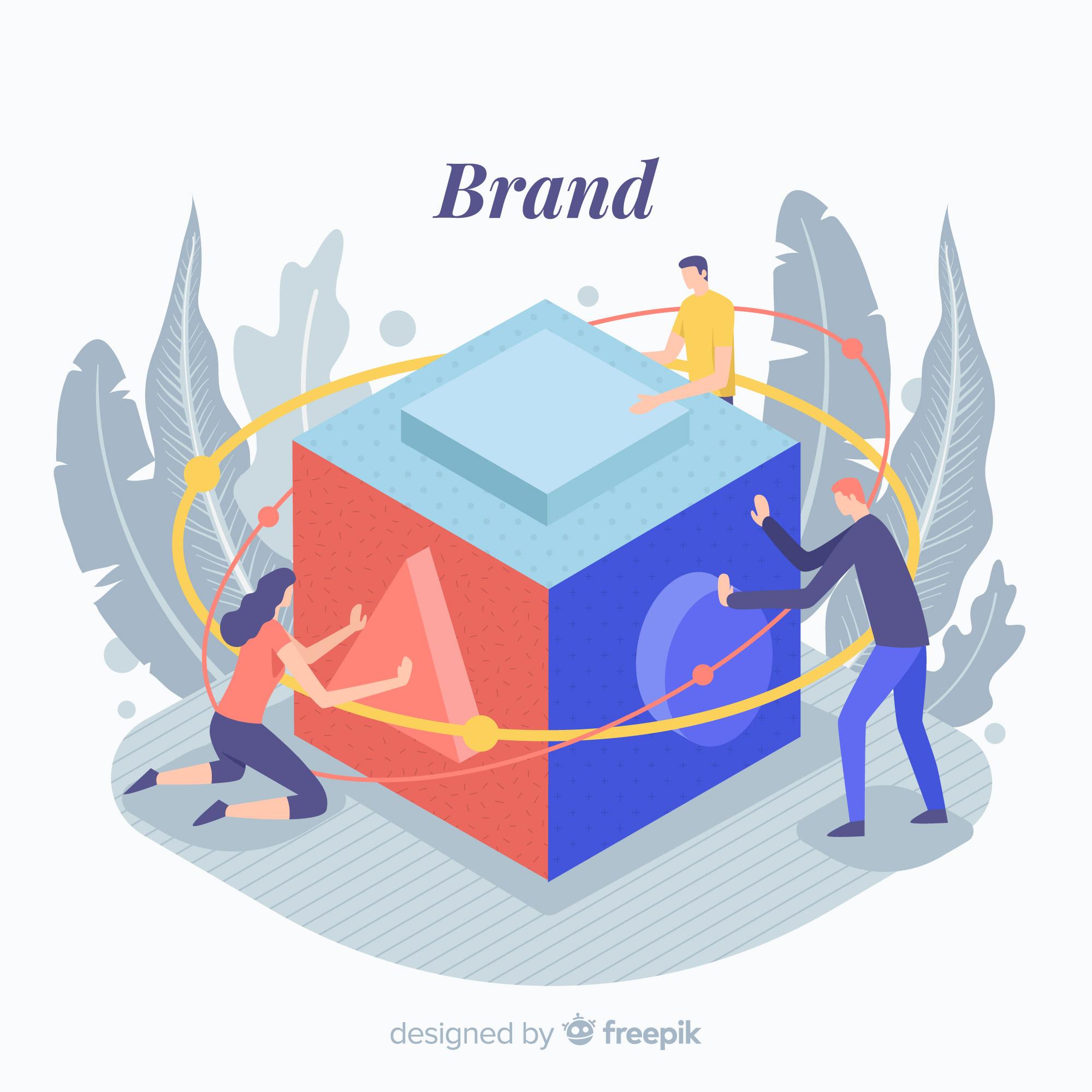
When I think about brand loyalty, I see it as the heartbeat of every successful business. It’s what keeps people coming back, talking about you, and believing in what you do long after the initial excitement fades.
Why Trust Is the Real Foundation of Loyalty
I think a lot of businesses underestimate how much trust is a cumulative score rather than a single event. It isn’t earned in one great customer experience; it’s the running total of dozens of small moments, most of which the customer barely registers consciously. A fast reply here, an accurate delivery estimate there, a return process that didn’t require an argument. None of these moments feel significant on their own. Stacked together over months, they become the reason someone chooses you again without even thinking about it.
Trust is earned slowly and lost quickly. I’ve seen brands rise on clever marketing and fall because they forgot to stay authentic. To me, trust starts with keeping promises. Every product delivered on time, every message that feels honest, and every transparent update adds another layer to that relationship.
When I work on brand campaigns, I always make sure that what we say publicly matches what we actually deliver. That consistency creates confidence. I noticed this firsthand when managing digital campaigns, where everything happens in real time. Every reply, every customer support response, every piece of visual content adds up.
What surprised me most, early on, was how quickly small gaps between promise and delivery get noticed. A shipping delay that isn’t communicated feels worse than a delay that’s flagged upfront with a simple apology. I learned that trust isn’t damaged by problems themselves nearly as often as it’s damaged by silence around those problems.
The Role of Emotional Connection in Loyalty
Every loyal customer is emotionally invested in the brand. People don’t just stay for the product; they stay for how it makes them feel. That’s why I use storytelling as the foundation of my brand-building process. When you tell real stories, you make people care.
I’ve seen how a heartfelt narrative can outperform the most expensive ad campaign because it builds something stronger than awareness; it builds belonging. In one campaign I worked on for a sustainable skincare brand, we didn’t just talk about ingredients or packaging. We shared the founder’s personal story about why she started the brand after struggling with sensitive skin. That one story increased engagement and loyalty more than any influencer partnership we had tried before.
This is the same philosophy I share in Creative Storytelling for Brands: when your audience connects with your story, they stop being customers and start being believers.
Consistency: The Key to Long-Term Trust
The more consistent a brand is, the more dependable it feels. I’ve learned that people are loyal to what they recognize. If your brand’s visuals, tone, and experience stay the same across every platform, people begin to associate those elements with reliability.
That’s why I pay close attention to design harmony. Whether it’s a website, social ad, or packaging, I ensure the same emotional tone flows through it all. It’s something I explore in Building a Visual Brand Identity, where I talk about how color, typography, and imagery together create a sense of stability and familiarity.
Over time, that consistency builds trust subconsciously. When customers know what to expect, they start to feel safe, and that safety is what keeps them coming back.
Consistency doesn’t mean rigidity, though. I’ve had to learn the difference between staying consistent and staying stale. A brand can update its visuals, adjust its tone for a new platform, or refresh its packaging without breaking the thread that connects everything. The trick is protecting the feeling a brand gives people, even while the surface details evolve around it.
Turning Customers into a Community
The most rewarding part of branding, for me, is when customers start becoming advocates. That moment when people begin to share your brand story like it’s their own, that’s the true mark of loyalty. To make that happen, I focus on building community, not just an audience. Communities are where people connect with each other through the brand, not just with the brand itself.
In one project I led for an independent fashion label, we invited customers to share how they styled their purchases and tagged them with a branded hashtag. Within months, the campaign grew organically, and customers began recognizing each other by name. It wasn’t just marketing anymore; it was belonging.
That’s what I love most about loyalty. It’s not created through ads; it’s nurtured through shared values and genuine interaction.
I’ve also noticed that community-driven loyalty tends to survive rough patches far better than loyalty built on price or convenience alone. When a community has formed around shared identity rather than just discounts, customers stick around through a price increase, a slow product launch, or an honest mistake. They’ve invested something of themselves, and that investment is far stickier than a coupon code.
Learning Through Feedback
Listening has become one of my strongest branding tools. Every comment, email, or review gives me insight into how people perceive the brand. I treat feedback not as criticism but as guidance. It helps me refine my storytelling, adjust my tone, and strengthen my customer experience.
In Measuring Branding Success, I explain how I pair qualitative feedback with quantitative data. Numbers show me what’s happening, but customer voices tell me why it’s happening. When I combine both, I can evolve the brand in ways that feel natural to its audience.
One time, after a product launch, I noticed that customers loved the packaging design but struggled with understanding usage instructions. Instead of defending the design, we took that feedback to simplify the message. Sales and satisfaction increased immediately, not because we changed the product, but because we listened.

Honesty and Transparency Strengthen Loyalty
Transparency is my secret to sustaining long-term trust. In today’s digital world, customers can sense when something is too polished or too rehearsed. Being open about challenges, changes, or even mistakes makes your brand human.
I once worked on a campaign where a product shipment was delayed. Instead of hiding it, we posted a personal message explaining what happened and offered small thank-you notes to everyone waiting. To my surprise, instead of backlash, customers responded with empathy. They appreciated the honesty, and many became even more loyal afterward.
That experience taught me that brands don’t have to be flawless. They just have to be real.
I’ve carried that lesson into how I handle pricing changes, too. Explaining why a price increase is happening, in plain language, tends to generate far less pushback than staying silent and hoping nobody notices. People don’t expect businesses to be perfect. They expect to be treated like adults who deserve an explanation.
Creativity Keeps Loyalty Alive
Loyalty can fade if a brand stops evolving. That’s where creativity becomes crucial. I try to keep the brand experience fresh through new visuals, storytelling campaigns, and creative engagement ideas. From personalized thank-you messages to limited-edition packaging, every small act of creativity becomes a reason for people to remember and celebrate the brand again.
In The Role of Creativity in Modern Branding, I talk about how I use imagination not just to attract new audiences but to re-engage existing ones. Creativity gives loyalty energy; it keeps the connection alive and exciting. Even something as simple as sending handwritten thank-you cards after a campaign can make a lasting impression.
Measuring Loyalty Without Losing the Human Side
Somewhere along the way, I had to figure out how to track loyalty without letting the tracking flatten the relationship into a spreadsheet. Repeat purchase rate, referral counts, and review frequency all matter, and I check them regularly. But I’ve learned to pair those numbers with something softer: how customers talk about the brand unprompted, in reviews, on social media, in casual conversation. A high repeat-purchase number paired with lukewarm, transactional language in reviews tells a different story than the same number paired with customers describing the brand like a friend.
When I see language shift from “it works fine” to “I always recommend this,” that’s the real signal that loyalty has crossed from habit into genuine belief. Numbers tell you loyalty exists. Language tells you what kind of loyalty you’re actually building.
When Loyalty Gets Tested
Every brand eventually faces a moment that tests the loyalty it’s built, a product recall, a public misstep, a competitor undercutting on price. I’ve found that these moments reveal more about a brand’s true relationship with its customers than any campaign ever could. Brands that have only bought loyalty through discounts tend to lose customers fast the moment a cheaper option appears. Brands that have earned loyalty through trust and genuine connection tend to get the benefit of the doubt, at least long enough to explain themselves and make it right.
I don’t think this means a brand should welcome a crisis. But I’ve stopped fearing them the way I used to. A well-handled difficult moment, met with honesty and a real fix, often deepens loyalty more than a year of flawless campaigns would have on its own.
The Employees Behind the Loyalty
Something I underestimated early in my career was how much internal culture leaks into customer loyalty. Brands don’t build trust through marketing departments alone; they build it through every person who answers a support ticket, packs a box, or replies to a comment. I’ve watched a warm, well-written brand voice fall completely flat the moment a customer had a frustrating call with support that didn’t match the tone the marketing had promised.
Once I started treating internal training as part of brand strategy rather than a separate HR function, the gap closed. Support teams who understand the brand’s actual values, not just a script, tend to make small judgment calls that reinforce loyalty in moments no campaign could ever reach. A refund handled with genuine warmth does more for retention than another well-designed email ever could.
Loyalty Programs Versus Loyalty Itself
I want to be honest about something I got wrong early on: I used to treat loyalty programs and actual loyalty as the same thing. They’re not. A points system or a discount tier can absolutely support loyalty, but it can just as easily paper over a weak underlying relationship. I’ve seen brands with elaborate rewards programs still lose customers the moment a competitor undercuts them on price, because the “loyalty” was really just price sensitivity wearing a badge.
The programs that actually work, in my experience, are the ones that reward behavior tied to genuine engagement, referrals, reviews, community participation, rather than just repeat purchases. A referral means someone trusted the brand enough to put their own reputation behind it. That’s a far stronger signal than a repeat order driven purely by an expiring discount code.
Small Businesses Build Loyalty Differently Than Big Brands
Most of my early career was spent studying big-brand case studies, and I assumed the same playbook would scale down cleanly to smaller businesses. It doesn’t, not entirely. A large brand can lean on scale, consistency across thousands of touchpoints, dedicated support teams, polished production values. A small business builds loyalty through something a big brand often can’t replicate as easily: proximity. The owner who remembers a returning customer’s name, the small team that personally handles a complaint instead of routing it through three departments, the founder who still replies to comments themselves.
I’ve worked with small e-commerce brands that outperformed much larger competitors on loyalty metrics simply because customers felt like they were dealing with real people, not a company. That closeness is fragile and doesn’t survive careless scaling, but while it’s there, it’s one of the strongest loyalty tools available, and it costs nothing but attention.
The Slow Erosion Nobody Notices Until It’s Too Late
The loyalty failures I’ve seen up close rarely happen with a bang. They happen quietly, one skipped reply, one unaddressed complaint, one product update that shipped without explanation, repeated often enough that customers stop noticing the brand at all. By the time churn shows up clearly in the numbers, the erosion has usually been building for months.
That’s why I’ve come to treat small, unglamorous consistency as more valuable than any single big campaign. Answering support messages within a day. Acknowledging a complaint before defending the decision behind it. Keeping a promise about a restock date, even when it means admitting a delay. None of these make for an exciting case study, but they’re the quiet infrastructure loyalty actually rests on. Grand gestures get attention; consistent follow-through is what keeps people around after the attention fades.
What I’d Tell a Brand Just Starting Out
If I were advising a brand-new business today, I wouldn’t start with a loyalty program or a rewards app. I’d start with a single question: what do you want a customer to feel the moment after they interact with you, whether that’s a purchase, a support message, or just scrolling past a post. Everything else, the visuals, the tone, the community building, exists to protect and reinforce that one feeling.
Loyalty built this way takes longer to show up in a spreadsheet. But it tends to last, because it isn’t propped up by discounts or gimmicks that a competitor can copy within a week. It’s propped up by an actual relationship, and relationships, unlike price points, are genuinely difficult to replicate.
My Reflection on Loyalty and Trust
Looking back, I realize that loyalty is not something you earn once; it’s something you maintain every day. Every time a customer interacts with your brand, they’re silently asking, “Can I still trust you?” My job is to make sure the answer is always yes.
For me, loyalty isn’t built by algorithms or ad budgets; it’s built by empathy, care, and genuine connection. It’s about showing people that behind every logo, there’s a person who listens, understands, and keeps their promises.
When I look at the entire process, from Design Thinking in Branding to The Psychology of Brand Identity, from digital strategy to storytelling, I see how everything comes together to build not just a business but a relationship.
That’s what brand loyalty truly is: a relationship built on shared stories, earned trust, and consistent care. It’s not about keeping customers; it’s about keeping their faith. And that, to me, is the most powerful outcome any brand can achieve.
If there’s one habit I’d pass on to anyone building a brand today, it’s this: treat every single customer interaction as if it’s the one that decides whether they stay. Most of the time it isn’t, people are forgiving, and one bad moment rarely ends a relationship on its own. But building with that level of care, consistently, is what quietly compounds into the kind of loyalty that outlasts trends, price wars, and even your own occasional mistakes.
Interesting Read
Branding and Creativity: How I Build a Unique and Memorable Brand
12 Best WooCommerce Plugins For Google Product Feed & Boost Your Sales in 2025
How to Pick the Cheapest Website Builder That Works
10 Best Software for E-commerce Automation in 2025: Simplify, Scale, Succeed