Best Content Distribution Strategies to Boost Reach in 2026

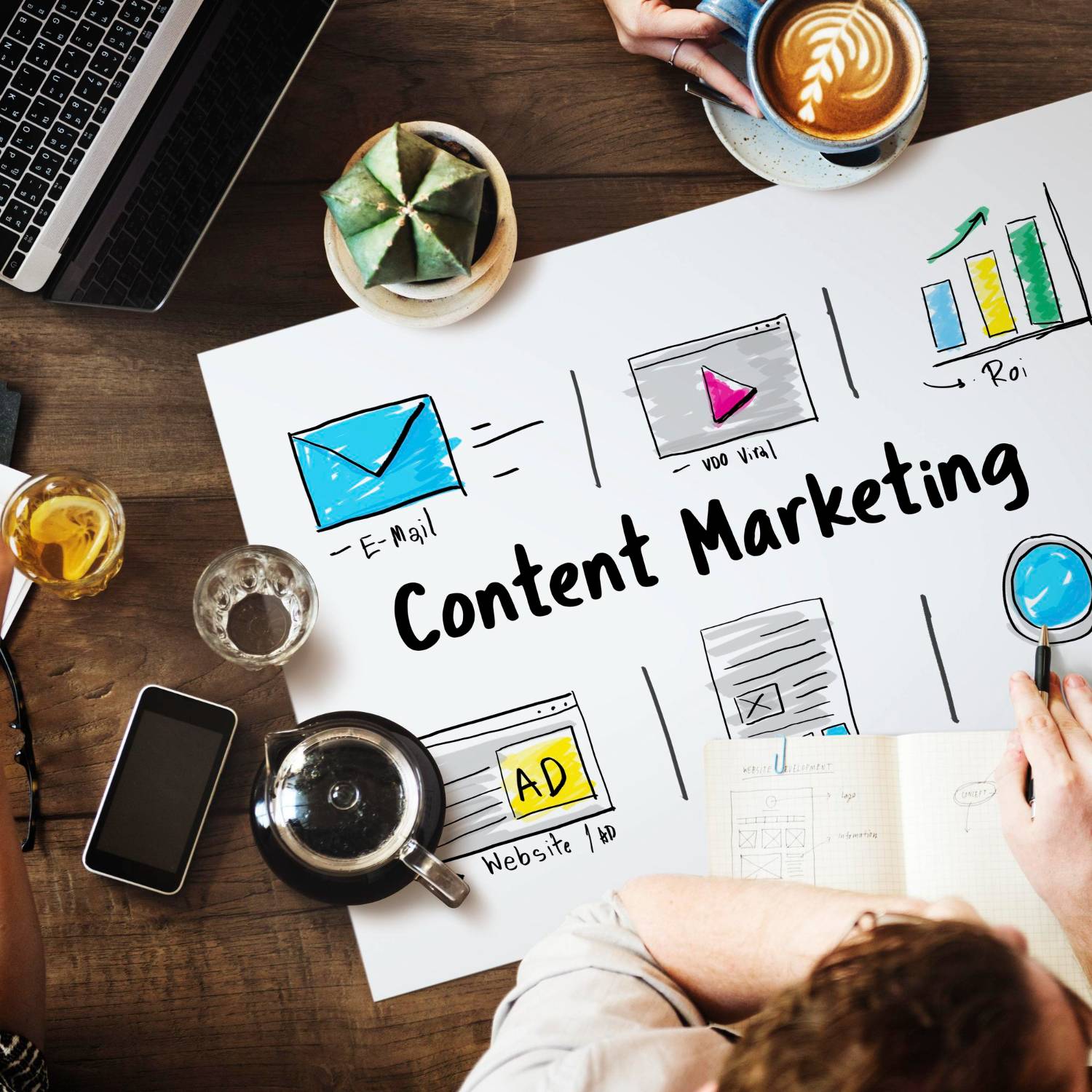
Updated August 2026. You’ve spent real hours on this. The research is solid, the writing is tight, the visuals are on point. And here’s the part nobody wants to hear: none of that matters if the content never reaches anyone who cares about it.
That’s the gap content distribution exists to close. In 2026, with AI-generated noise crowding every feed and organic reach thinner than it’s ever been, getting the right content in front of the right people has become just as much of a discipline as creating it in the first place. What follows is a practical breakdown of how smart distribution actually works, and how it plugs into a larger content marketing strategy instead of existing as an afterthought bolted on after publish day.
What Content Distribution Actually Means
Content distribution is the set of decisions and actions that get a piece of content in front of an audience, across social platforms, email, search, AI assistants, partnerships, and paid channels. It’s the bridge between “we made something” and “someone found it and it changed how they think about us.”
Without a real distribution plan, even a genuinely excellent blog post or video quietly disappears. Publishing isn’t the finish line. It’s closer to the starting gun.
Before planning distribution, the foundation needs to be solid: How to Create a Content Marketing Strategy Step-by-Step
Why Distribution Matters More Than It Used To
A few things have shifted at once. Organic reach on most social platforms has been trending down for years, not because platforms are hostile, but because there’s simply more content competing for the same attention. AI-powered search is reshaping how people discover information in the first place, often skipping the traditional results page entirely. And audience attention itself is scarcer, split across more apps, more formats, more notifications than at any point before.
The upshot: hitting publish and hoping the algorithm does the rest is a losing strategy. Getting deliberate about where your audience actually spends time, and how they prefer to consume content there, has stopped being optional.
A strong distribution plan tends to do four things well:
- Build brand awareness faster than organic discovery alone ever would.
- Reach audiences who would never have found the content on their own.
- Extend the useful life of content that would otherwise get published once and forgotten.
- Improve the odds of being cited inside AI-generated answers, which increasingly function as a new front door to a brand.
It also helps to know which formats actually perform before you start distributing them: Top Content Types That Drive Engagement in 2026
The Three Core Channels: Owned, Earned, Paid
Every distribution strategy that actually holds up over time draws on a mix of three channel types. Leaning entirely on one leaves a brand exposed the moment that single channel changes its rules.
Owned Media
These are the channels a brand fully controls: the website, the email list, and its own social profiles. Blog posts, newsletters, podcasts, and branded communities all live here.
Owned media is the most stable long-term asset a content strategy can build, because nobody can de-rank an email list or change the algorithm on a website. It’s ideal for nurturing an existing audience with consistent, predictable communication, especially valuable as reach on other channels gets less reliable by the year.
Earned Media
Earned media happens when someone else talks about the content: backlinks, mentions, guest posts, press coverage. In 2026, this category has quietly expanded to include citations inside AI-generated answers, which function a lot like a backlink used to, as a third-party signal of relevance and trust.
Because it comes from outside the brand, earned media carries a kind of credibility owned or paid content structurally can’t replicate. Nobody trusts an ad the way they trust an unprompted recommendation from someone else.
Paid Media
Paid promotion buys visibility, which matters most when a brand is just starting out and has no organic audience to lean on yet. Social ads, sponsored placements, content syndication, and influencer partnerships all fall under this umbrella.
A mix of all three channel types keeps a content strategy from depending entirely on one traffic source that could shift or disappear without warning. Brands that rely solely on paid tend to see performance evaporate the moment budget tightens; brands that rely solely on organic tend to stall out the moment growth needs to accelerate faster than compounding allows.
Distribution Strategies That Actually Work in 2026
1. Repurpose Content Across Multiple Platforms
One piece of content, multiple entry points. A single blog post can become a LinkedIn carousel, a set of stats pulled into an infographic for Pinterest, and a short video summary for Reels, Shorts, or TikTok, all without starting from scratch each time.
This is the single highest-leverage habit in content distribution. It multiplies reach without multiplying production cost, and it means a strong idea doesn’t get buried after one publish cycle.
2. Treat Email as a Distribution Engine, Not Just a Newsletter
An email list is a direct line to the most engaged segment of an audience, and unlike a social feed, no algorithm sits between a brand and its subscribers deciding who actually sees the message. Newsletters, curated digests of recent content, and exclusive insights all belong here, treated as a primary distribution channel rather than an afterthought tacked onto the end of a content calendar.
3. Collaborate With Creators and Industry Voices
Creators already hold the attention of the exact audience a brand is trying to reach. Guest posts, co-created videos, and podcast swaps borrow that existing trust rather than trying to build it from zero. This tends to be slower to arrange than a paid placement, but the credibility it produces is durable in a way a one-off ad impression isn’t.
4. Optimize for Search and AI Discovery Together
SEO isn’t just for blog posts anymore. Video, podcast, and visual content all benefit from deliberate keyword use, accurate captions, and clean metadata. Clear headings, direct-answer FAQ sections, and structured data all make content easier for both search engines and AI assistants to parse and cite accurately.
See how SEO and content marketing intersect in practice: Content Marketing vs SEO: What’s the Difference and How They Work Together
5. Show Up in Community Platforms
Reddit, Quora, Discord, and LinkedIn Groups host active, ongoing conversations in nearly every niche. Contributing genuine insight there, not a disguised ad, but an actually useful answer, builds trust in a way that scales slowly but compounds meaningfully. Reddit threads in particular now surface prominently in Google’s own search results for a wide range of queries, which has turned community participation into an SEO channel almost by accident.
6. Use Paid Promotion With Intent
Broad, untargeted ad spend tends to underperform badly compared to retargeting people who’ve already engaged with a brand in some way, visited the site, opened an email, watched part of a video. Interest that already exists is dramatically cheaper to convert than interest that has to be manufactured from a cold audience.
Sequencing: What Order Distribution Should Actually Happen In
A common mistake is blasting every channel simultaneously the moment content goes live. A more effective sequence tends to look like this: publish to owned channels first (website, email) so there’s a canonical destination everything else points back to, then push to the one or two social platforms where the specific audience actually spends time, then layer in community participation and outreach to creators over the following one to two weeks, and finally consider paid amplification once there’s some organic signal (comments, shares, time on page) worth reinforcing with ad spend.
Spreading distribution over a couple of weeks rather than a single day also gives search engines and AI crawlers more touchpoints to discover and index the content, which tends to outperform a single burst of activity that fades within 48 hours.
Matching Distribution to the Buyer’s Stage
Not every piece of content needs, or benefits from, the same distribution treatment. A top-of-funnel piece meant to build general awareness (a broad how-to guide, an industry trend roundup) does best with wide organic reach: social, community, search. A bottom-of-funnel piece meant to close a decision (a case study, a comparison page, a demo walkthrough) usually performs better distributed narrowly and directly, through email to a warm segment, through sales enablement, through retargeting ads aimed at people who’ve already shown interest.
Distributing a comparison page as broadly as a general awareness post often produces disappointing results, not because the content is weak, but because the audience reached isn’t yet close enough to a decision to care. Matching distribution intensity and channel to funnel stage tends to matter more than most content calendars account for.
Measuring Whether Distribution Is Actually Working
Reach and impressions are the easiest numbers to check and the least useful ones for deciding what to do next. A more honest scorecard looks at where traffic actually converts into something that matters: email signups, demo requests, add-to-cart events, or simply meaningful time on page rather than a bounce within five seconds.
Attribution across channels is messy in practice, someone might discover a brand on Reddit, read the blog a week later after a Google search, then convert from an email three weeks after that. UTM tagging and consistent tracking don’t solve that mess completely, but they at least make it possible to see which channels are contributing somewhere in that journey versus which ones are producing traffic that never returns.
Tools That Make Distribution Manageable
Juggling multiple channels by hand doesn’t scale past a certain point. A few categories of tools worth knowing about:
- Buffer / Hootsuite: Scheduling and managing social posts across platforms from one dashboard.
- Beehiiv / ConvertKit / Mailchimp: Email automation, segmentation, and open/click analytics.
- Zapier or Make: Automating cross-platform sharing so a new blog post can auto-trigger a social post and an email draft.
- BuzzSumo: Finding relevant creators and tracking what’s already resonating in a given niche.
More tools and metrics worth tracking: Content Marketing Metrics & Tools You Need in 2026
Building a Distribution Checklist Into the Publishing Workflow
Distribution tends to get skipped, or done half-heartedly, when it isn’t a formal step in the process. A simple checklist attached to every piece of content before it’s considered “done” fixes most of that. Something like: canonical version published on owned channels, three to five repurposed assets scheduled across the following two weeks, one relevant community or forum identified for genuine participation, UTM parameters set on every outbound link, and a calendar reminder to check performance at the one-week and one-month mark.
None of this is complicated. What it requires is treating distribution as part of the deliverable rather than a bonus step that happens if there’s time left over, which in most content operations there rarely is unless it’s built into the process from the start.
When to Pull Back on a Channel
Not every channel deserves permanent investment. If a platform has consistently produced weak engagement and no meaningful conversions after a genuine, consistent effort over several months, that’s a signal worth acting on rather than ignoring out of sunk-cost momentum. Reallocating that time toward a channel that’s already showing traction usually beats spreading effort evenly across everything regardless of results.
Common Distribution Mistakes
Publishing and walking away. A piece of content shared once and never revisited leaves most of its potential reach on the table. Content worth creating is worth resharing on a staggered schedule over weeks, not just the day it goes live.
Using the same copy everywhere. A caption written for LinkedIn rarely works pasted directly into an X post or an email subject line. Each platform has its own rhythm and expectations, and content that ignores that reads as lazy even when the underlying idea is strong.
No tracking on what’s actually driving results. Without UTM parameters or platform-specific analytics, it’s nearly impossible to know which distribution channel is actually worth the ongoing time investment versus which one just feels productive.
How AI Search Is Changing Distribution Priorities
A growing share of information discovery now happens inside an AI assistant instead of a traditional search results page or a social feed. That shift changes what “good distribution” needs to accomplish. It’s no longer just about getting a human to click a link; it’s about making sure the content is structured well enough, and hosted somewhere authoritative enough, that a language model surfaces and cites it accurately when someone asks a related question.
Practically, that means distribution now includes making sure content is technically accessible to AI crawlers, that key facts and direct answers aren’t buried three paragraphs deep, and that the same core information appears consistently across owned and earned channels rather than contradicting itself from one platform to the next. Consistency across channels used to matter for brand tone. Now it also matters for whether an AI system trusts what it’s citing.
Frequently Asked Questions
What’s the best free content distribution channel in 2026?
Email remains the highest-return free channel available, since it reaches an audience that has already opted in and isn’t subject to algorithmic filtering. Organic LinkedIn tends to perform strongest for B2B audiences, while YouTube Shorts often delivers the best unpaid reach for B2C brands, provided posting stays consistent over time.
How many distribution channels should a brand realistically use?
Start with three: one owned channel (email or the blog itself), one social platform where the target audience already spends real time, and one earned channel (guest posts, podcast appearances, or active community participation). Get that combination working reliably before adding more channels to the mix.
How does content actually get cited by tools like ChatGPT and Perplexity?
Publishing on a domain with some established authority helps, along with clear H2/H3 structure, a genuine FAQ section, and schema markup where relevant. Making sure robots.txt doesn’t block AI crawlers is a basic but frequently overlooked step. Original data and direct quotes get cited far more often than content that’s simply a rephrased version of what’s already ranking elsewhere.
Is it worth paying for distribution if organic reach is already declining?
Selectively, yes. Paid amplification works best layered on top of content that’s already shown some organic signal, rather than as a substitute for having an organic strategy at all. Spending on content nobody has engaged with yet tends to produce weak results regardless of budget.
How soon after publishing should distribution start, and how long should it continue?
Distribution should begin the moment content is published, not days later. But it shouldn’t stop there either. A single blog post can reasonably support two to three weeks of staggered resharing across different channels and formats before the ideas inside it feel stale. Treating distribution as a one-day event rather than a multi-week campaign is one of the more common ways teams leave reach on the table.
Final Thoughts
None of this requires a massive team or an enterprise budget to execute well. It requires a plan, a bit of discipline about following it past the first 48 hours after publish, and an honest look at which channels are actually producing results versus which ones simply feel like they should be working. Creating strong content is step one. Distributing it deliberately is what actually produces results. The brands pulling ahead in 2026 aren’t necessarily the ones with the biggest content budgets, they’re the ones combining a clear strategy, genuine creativity, and smart, sequenced distribution to make sure the right people see their message at the right time, in the right place, on the right platform.
Publishing isn’t the goal. Being found, and being useful once you’re found, is.
Return to the full guide: Content Marketing: The Complete 2026 Guide to Build Trust, Traffic, and Brand Growth
Interesting Reads
Best WooCommerce Plugins for EU VAT Compliance in 2026