The Future of Social Media Marketing (2026 and Beyond)

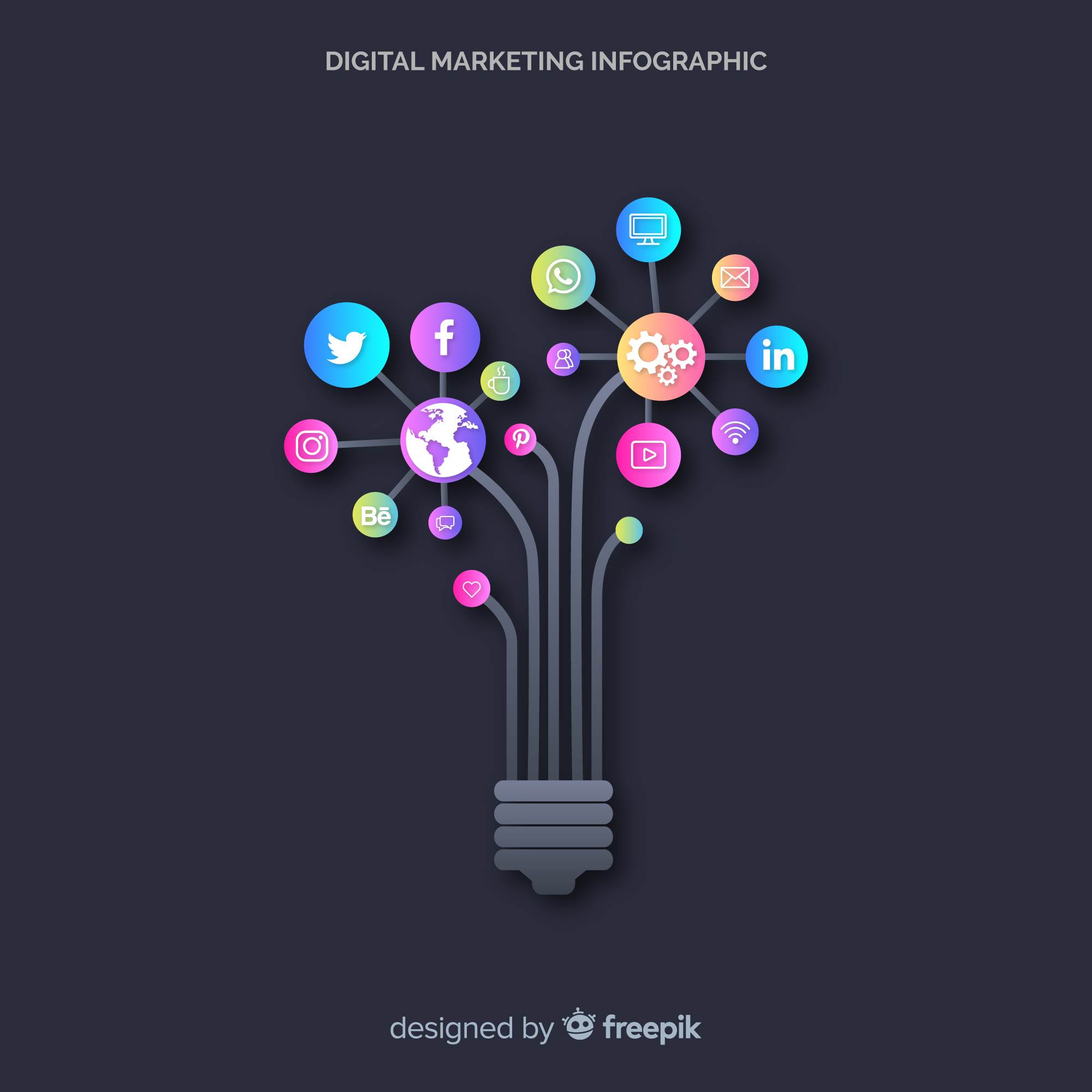
Social media never stands still, and the pace of change has only accelerated. Every year brings new platforms, new algorithm behavior, and new expectations from audiences who’ve grown noticeably more skeptical of anything that reads as an obvious ad. Heading into 2026, the future of social media marketing is being shaped by five converging forces: AI-driven personalization, the collapse of the line between browsing and buying, immersive formats, a hard shift toward trust over virality, and a data landscape that’s getting harder to track by design.
Before looking ahead, it’s worth making sure the fundamentals are solid, since none of these trends compensate for a weak foundation. Review How to Create a Winning Social Media Strategy to confirm your goals, audience definition, and content plan are aligned before layering new tactics on top.
AI-Powered Personalization and Production
Artificial intelligence has moved past novelty and into the daily workflow of most marketing teams. AI tools now handle caption generation, first-draft copywriting, basic video editing, and predictive analytics that flag which content format is likely to perform before it’s even published. The practical shift for 2026 isn’t that AI exists, it’s that audiences have gotten noticeably better at spotting generic AI output, which means the brands winning with these tools are using them to speed up production, not to replace the judgment calls about voice, timing, and what’s actually worth saying. Treat AI as a drafting assistant that still needs a human editorial pass, not an autopilot.
Predictive analytics is the quieter, more durable shift. Rather than reviewing performance after a campaign ends, AI-assisted tools increasingly forecast which creative variations, posting windows, and audience segments are likely to perform based on historical account data, letting teams make adjustments mid-campaign instead of only in the postmortem.
Social Commerce Is No Longer a Feature, It’s the Default
The line between browsing and buying has effectively disappeared on the major platforms. Instagram, TikTok, and YouTube have all invested heavily in in-app checkout, letting users discover, review, and purchase a product without leaving the app or hitting an external site. For ecommerce brands, this changes what “good content” means: a post now needs to work as both a piece of entertainment or education and a functioning storefront simultaneously.
The brands doing this well pair genuinely useful content with product tags rather than bolting a shopping link onto an otherwise unrelated post. Educational or entertaining content earns the watch time and trust; the product tag converts that attention without interrupting it. For format ideas that work well alongside shoppable tags, Social Media Content Ideas That Actually Work covers formats worth testing against your own audience.
Live shopping is finally maturing
Live shopping events, long treated as a novelty borrowed from Chinese platforms like Taobao, are becoming a genuine sales channel on TikTok and Instagram as the checkout experience improves and creators build repeat audiences around scheduled live sessions. The format rewards brands willing to commit to a regular schedule rather than a one-off event, since live shopping audiences build habits around known creators and known time slots.
Short-Form Video Remains the Center of Gravity
Short-form video isn’t a “future” trend anymore, it’s the current default distribution format across nearly every major platform, including ones that didn’t originate as video platforms. What’s shifting for 2026 is production expectation: raw, unpolished, phone-shot content continues to outperform highly produced ads in feed environments, because audiences have learned to associate high production value with paid advertising and instinctively scroll past it. Brands over-investing in polish on top-of-funnel content are often working against their own algorithm performance.
The Rise of Immersive Experiences (AR and VR)
Augmented and virtual reality are slowly redefining what engagement means beyond a like or comment. Virtual try-on tools (especially in beauty, apparel, and eyewear) and interactive product demos are turning passive followers into active participants, and the brands experimenting early are building a meaningful differentiation advantage before the format becomes table stakes.
That said, AR/VR is not where most brands should start. If you’re early in building a social presence, the fundamentals still matter more than the frontier: consistent visuals, a recognizable voice, and reliable posting cadence outperform an isolated AR gimmick with no supporting content strategy behind it. Social Media Marketing for Small Businesses covers how to build that foundation before chasing emerging formats.
Community and Trust Over Virality
Chasing a single viral moment has become a less reliable growth strategy than it once was, partly because viral reach rarely converts into a lasting relationship with the audience it reaches. In 2026, trust consistently outperforms trend-chasing: people gravitate toward brands and creators where they feel genuinely seen rather than sold to, and platforms have adjusted their algorithms to reward sustained engagement (replies, saves, shares within a real community) over raw view counts.
Practically, this means investing real time in replying to comments and DMs rather than treating them as an afterthought, and building content around ongoing conversations with your audience rather than one-off announcements. Brands that consistently show up in the comments of their own posts build a measurably stronger relationship with their audience than brands that post and disappear.
The Creator Economy Keeps Fragmenting
The influencer landscape has shifted decisively toward micro and nano creators (typically under 50,000 followers) who deliver higher engagement rates and more genuine-feeling recommendations than mega-influencers or celebrities. Budget that once went toward a single large influencer partnership is increasingly split across a portfolio of smaller creators, each reaching a tighter, more relevant niche audience. This requires more coordination on the brand side (managing more relationships instead of one) but consistently produces better cost-per-engagement than concentrated spend on a single large name.
Niche and Private Communities Are Growing
Alongside public feeds, private and semi-private spaces (Discord servers, close-friends stories, paid community platforms, niche forums) are absorbing an increasing share of genuine engagement, especially among younger audiences who’ve grown wary of posting publicly. Brands building a presence exclusively on public feeds are missing where some of the most engaged conversation about their category is actually happening. This doesn’t mean every brand needs its own Discord server, but it does mean monitoring and participating in existing niche communities is becoming a legitimate part of a social strategy, not a fringe tactic.
Data-Driven Adaptability in a Cookieless, Privacy-First World
The brands that thrive through 2026 are the ones that adapt quickly, guided by their own first-party data rather than the third-party tracking that’s steadily disappearing across the web. As cookie-based tracking continues to erode and platforms restrict data sharing, brands that have invested in owned channels, email lists, SMS, first-party website analytics, are far better positioned to measure and optimize than brands relying entirely on platform-reported metrics.
The practical takeaway: treat your social platforms as a top-of-funnel discovery layer, but build owned infrastructure (email capture, a loyalty program, a first-party analytics setup) to actually measure and nurture the relationship past that first interaction. To make informed decisions about where to invest next, learn how to calculate campaign success properly in How to Measure Social Media ROI, since data is your best decision-maker in an environment where platform algorithms change without warning.
Platform-Specific Shifts Worth Watching
Instagram continues to push Reels and DMs as its primary growth surfaces, with feed posts and Stories increasingly treated as secondary. Brands still building their content calendar around static feed posts as the primary format are working against where the platform is actually directing distribution. Broadcast channels (one-to-many DM-style updates) are also becoming a meaningful way to reach highly engaged followers directly, bypassing algorithmic feed distribution entirely.
TikTok
TikTok’s search functionality has grown into a genuine competitor to traditional search engines for a meaningful share of younger users researching products, restaurants, and how-to content. This means TikTok content increasingly needs to be optimized with the same keyword-in-context thinking as blog SEO, not just entertainment value, since a growing share of views now come from search rather than the For You feed.
YouTube
YouTube Shorts has closed much of the format gap with TikTok and Reels, but YouTube’s real differentiator remains long-form content’s durability, a well-optimized long-form video continues generating views and search traffic for years, unlike the days-long lifespan typical of short-form posts on other platforms. Brands investing in a mix of Shorts for discovery and long-form for depth and search visibility are building a more durable content library than short-form-only strategies.
LinkedIn’s algorithm increasingly favors native video and document carousels over external links, and personal profiles continue to outperform company pages for organic reach. B2B brands investing in founder or employee thought-leadership content are seeing meaningfully better organic distribution than brands posting exclusively from the company page.
Budgeting for These Shifts Without Chasing Every Trend
A practical way to plan investment across these trends without spreading a team too thin: allocate the bulk of production budget to the one or two platforms where your audience is demonstrably most active, based on your own first-party data rather than industry-wide trend reports. Reserve a smaller, explicit “experimentation” slice of budget, commonly somewhere around 10 to 15% of total content spend, for testing genuinely new formats or platforms before committing further resources. This structure lets a brand stay current without abandoning what’s already proven to work every time a new format gets hyped in marketing press.
It’s also worth building a quarterly review cadence specifically to reassess this split, since what counted as an experimental format at the start of a year can become a core channel by the end of it, and vice versa. Treating the budget split as fixed for the full year, rather than revisited quarterly against real performance data, is one of the more common reasons brands miss emerging shifts until a competitor has already claimed the early-mover advantage.
A Worked Example: Adapting a Campaign Mid-Quarter
Here’s how the shift toward data-driven adaptability looks in practice. A mid-size DTC brand launches a quarterly campaign built around three content pillars: product education, behind-the-scenes content, and customer testimonials. Two weeks in, first-party analytics show behind-the-scenes content driving three times the saves and shares of the other two pillars, while producing a comparable conversion rate. Rather than sticking rigidly to the original content calendar for the full quarter, the team reallocates the remaining production budget toward more behind-the-scenes formats, while keeping a smaller cadence of the other two pillars for coverage. This kind of mid-campaign reallocation, based on owned data rather than waiting for a full quarterly report, is what separates adaptive brands from ones running the same fixed plan regardless of what the data says along the way.
What’s Likely Overhyped
Not every trend deserves equal investment. Fully autonomous AI-run social accounts, posting and replying with no human oversight, remain a risk rather than an opportunity for most brands; the reputational cost of one badly-timed automated response outweighs the labor saved. Similarly, metaverse-native brand experiences have cooled significantly from their earlier hype cycle and are worth watching rather than prioritizing unless your audience specifically overlaps with gaming or virtual-world communities. Chasing every emerging platform the moment it launches also tends to spread a team too thin; it’s usually better to go deep on two or three platforms where your actual audience spends time than to maintain a thin, inconsistent presence everywhere.
A useful filter before adopting any new tactic on this list: would this still make sense if the current hype cycle around it disappeared tomorrow? AI-assisted production, first-party data investment, and micro-influencer partnerships all pass that test because they solve a durable underlying problem. A novelty AR filter with no strategy behind it usually doesn’t, since its value is tied almost entirely to the current moment of platform promotion rather than to a lasting audience benefit.
Comparison: 2023 Playbook vs 2026 Playbook
| Area | Older Approach | 2026 Approach |
|---|---|---|
| Content production | Polished, agency-produced | Raw, native-feeling, AI-assisted drafting |
| Influencer strategy | Few large influencer deals | Portfolio of micro and nano creators |
| Measurement | Platform-reported metrics only | First-party data plus platform metrics |
| Community | Public feed engagement only | Public feeds plus niche private communities |
| Commerce | Link-in-bio to external store | Native in-app checkout and live shopping |
FAQs
Do I need to adopt AI tools to stay competitive in 2026?
Not adopting any AI-assisted tooling puts you at a real production-speed disadvantage against competitors who are, but adopting AI tools without human editorial oversight is arguably worse, since audiences are increasingly good at spotting generic AI-generated content and penalize it with lower engagement.
Is social commerce worth investing in for a small store?
Yes, if your audience is already active on platforms with mature shopping features like Instagram and TikTok. Start with product tagging on existing content before investing in a dedicated live shopping strategy, which requires a bigger commitment to execute well.
Should every brand build a private community like a Discord server?
No. It’s worth monitoring where your audience already gathers in niche or private spaces, but building your own dedicated community only makes sense once you have enough engaged followers to sustain real conversation there, otherwise it becomes an empty space that undermines credibility rather than building it.
How should I prepare for a cookieless, privacy-first future?
Invest in first-party data collection now, email capture, SMS opt-ins, loyalty programs, rather than waiting until third-party tracking is fully gone. Brands that build this infrastructure early have a measurement and retargeting advantage over those scrambling to catch up later, since building an engaged owned-channel audience takes months to establish and can’t be created overnight once third-party signals disappear entirely.
Are micro-influencers really more effective than celebrity partnerships?
On a cost-per-engagement basis, generally yes, since micro and nano creators typically produce higher engagement rates and more trusted recommendations within their tighter niche audience. Celebrity partnerships still have a place for broad awareness campaigns, but they’re a different tool solving a different problem.
How often should a content strategy actually be revisited?
A quarterly review against first-party performance data is a reasonable cadence for most brands, frequent enough to catch a meaningful shift in what’s resonating, without so frequent that the team never gives a format enough time to prove itself before pivoting away from it. Weekly or daily strategy changes based on short-term performance noise tend to do more harm than good.
What’s the biggest mistake brands make chasing these 2026 trends?
Adopting a new format or platform because a competitor did, without first confirming the target audience actually spends meaningful time there. Trend-chasing without an audience-fit check is one of the most common ways marketing budget gets wasted on channels that never had a realistic path to return.
Final Thoughts
The future of social media marketing isn’t about doing more, it’s about doing what matters better. Be genuinely human in how you engage, stay consistent in what you post, and evolve deliberately with your audience rather than chasing every new format the moment it appears. For a complete roadmap covering strategy, tools, and the trends most worth prioritizing, read Social Media Marketing, The Complete Guide. The future is already here, the brands that win it are the ones willing to post smarter rather than simply post more.