Social Media Marketing The Complete Guide

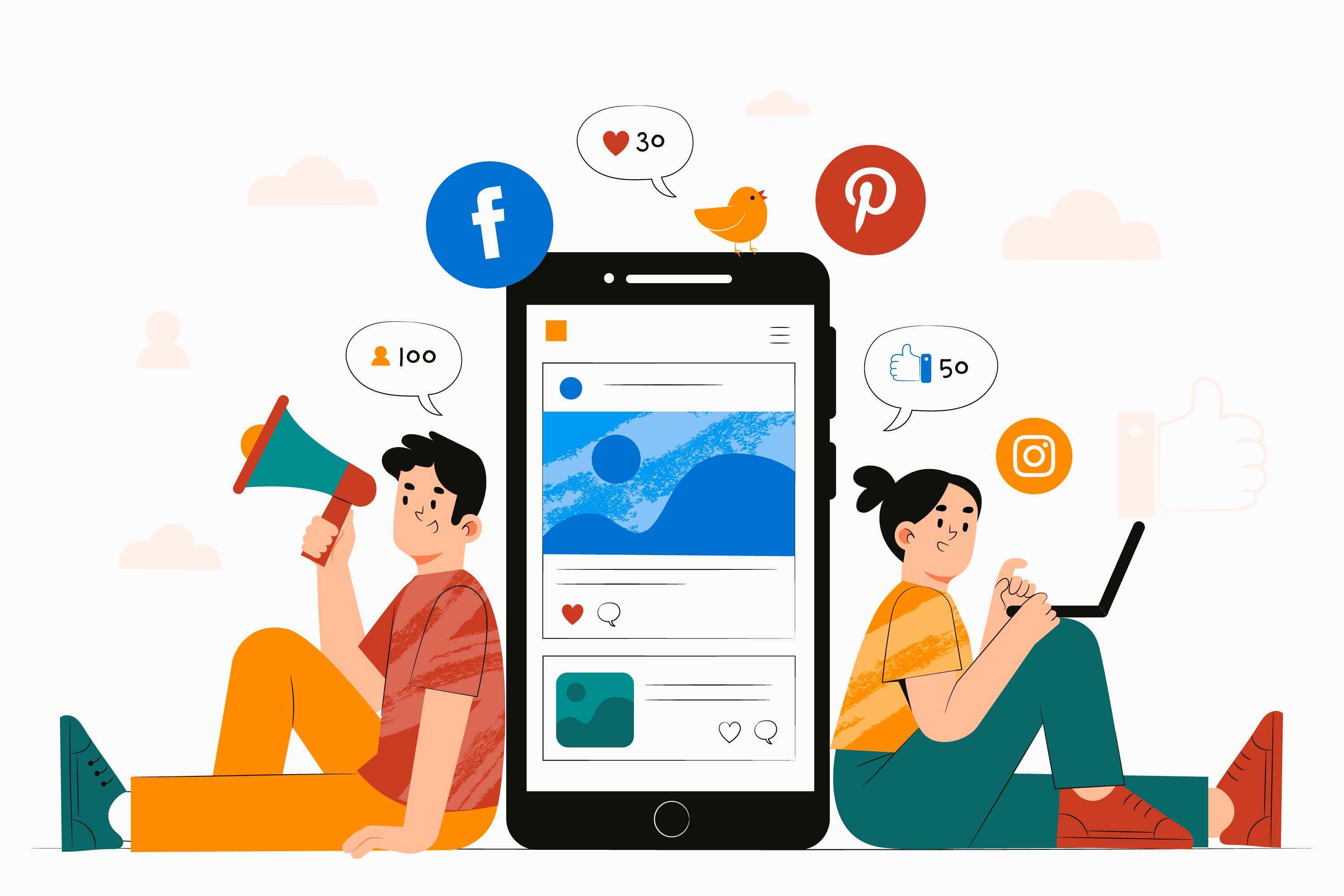
A few years ago social media was just a place to share photos and quick updates. Today it is the heartbeat of brand storytelling, customer engagement, and online growth. Whether you are a small business owner, a creator, or a marketer your audience is already scrolling, searching, and deciding who to trust. The question is are they stopping for you?
1. What Is Social Media Marketing?
At its core social media marketing is the practice of using platforms like Instagram, LinkedIn, Facebook, YouTube and TikTok to promote your business, connect with your audience, and build a community around your brand.
It is not just about posting content, it is about creating conversations. Think of it as a digital relationship builder. Every post, comment, or story gives you a chance to connect and convert.
There are two main sides to it:
- Organic social media which includes free posts, engagement, and community building
- Paid social media which uses ads to reach new audiences or boost visibility
To make this concrete, imagine a hypothetical boutique skincare brand deciding between the two. Posting consistent behind-the-scenes Reels and encouraging customers to share their own unboxing videos costs nothing but time, and over several months that kind of organic, user-generated content tends to compound, each share exposes the brand to a new pocket of followers. That’s the kind of result organic social media is built to produce, gradual, trust-based growth rather than an overnight spike.
To learn how to plan this process step by step see How to Create a Winning Social Media Strategy.
2. Why Social Media Marketing Matters in 2025
Social media is not static. It evolves faster than any other marketing channel. In 2025 three key shifts are reshaping the space.
- Changing algorithms: Platforms are rewarding authentic engagement over vanity metrics
- Short form video: Reels, TikToks, and YouTube Shorts dominate attention spans
- AI powered content: From auto captioning to predictive analytics AI tools are helping brands create smarter and faster
What this means for you is it is no longer about posting more, it is about posting better. If your content sparks emotion, curiosity, or trust the algorithms will push it further.
We cover these ideas and formats in more depth in Social Media Content Ideas That Actually Work, including how to use AI tools without losing your human voice.
3. Benefits of Social Media Marketing
Social media is not just a brand builder, it is a growth engine. When done strategically it delivers measurable return on investment.
- Brand awareness: Build visibility where your audience already spends time
- Audience engagement: Start conversations that make followers feel seen and valued
- Traffic and conversions: Drive users directly to your website, blog, or product page
- Customer loyalty: Stay top of mind and turn one time buyers into repeat fans
Social media is one of the few marketing channels where even small businesses can compete with larger brands as long as their message feels real. For budget friendly approaches see Social Media Marketing for Small Businesses.
4. Core Elements of a Strong Social Media Strategy
You cannot win on social media without a plan. The most successful marketers follow a structured framework that aligns business goals with audience needs. Here is what every strategy should include.
- Goal setting: Know what you want: awareness, engagement, leads, or sales
- Audience research: Understand who you are talking to and what they care about
- Platform selection: Focus on two or three key platforms instead of trying to be everywhere
- Content planning: Mix educational, entertaining, and emotional posts
- Scheduling and analytics: Stay consistent and measure what works
To get templates and a content calendar see How to Create a Winning Social Media Strategy.
5. A Hypothetical Walkthrough: Choosing Platforms for a New Brand
To show how platform selection actually plays out, imagine a hypothetical home services company, we’ll call it “Cascade Home Care,” deciding where to invest limited marketing time. Here’s roughly how the decision might unfold:
| Step | What Happens | Why It Matters |
|---|---|---|
| 1. Define the goal | Decide the priority is local lead generation, not broad brand awareness | Shapes which platforms are even worth considering |
| 2. Research the audience | Homeowners in the service area skew toward Facebook and local Nextdoor-style groups | Matches platform choice to where the actual audience spends time |
| 3. Test two platforms, not five | Run a month of consistent posting on Facebook and Instagram only | Prevents spreading limited time too thin to see real results |
| 4. Measure engagement quality | Compare inquiries generated, not just likes or follower count | Keeps the focus on business outcomes rather than vanity metrics |
| 5. Double down on what works | Shift more time to whichever platform actually generated leads | Concentrates effort where it produces measurable results |
The pattern that shows up again and again is that trying to maintain a strong presence on every platform at once usually produces mediocre results everywhere, while focusing on two platforms that actually match the audience tends to outperform a scattered approach.
6. Top Social Media Platforms and Their Strengths
Each platform has its own personality and your brand success depends on matching your voice to the right one.
- Facebook: Great for building communities and running targeted ads
- Instagram: Perfect for visual storytelling, reels, and influencer partnerships
- LinkedIn: The go to space for B2B networking and thought leadership
- X (formerly Twitter): Ideal for quick updates, trends, and brand voice
- TikTok: The best for fast organic reach and viral short form content
- YouTube: Still unmatched for tutorials, storytelling, and long form video
The platform breakdown above, paired with the goal-setting and audience research steps from the strategy section, is usually enough to narrow a first platform choice down to two or three realistic options.
7. Tools That Simplify Social Media Marketing
You do not need to do everything manually. The right tools save time and improve performance.
- Scheduling tools: Buffer, Later, Hootsuite
- Analytics tools: Sprout Social, Metricool
- Design tools: Canva, Adobe Express
For a more detailed, ecommerce-focused comparison of social scheduling and management platforms, see 10 Best Social Media Management Tools for Ecommerce.
8. Mistakes to Avoid in Social Media Marketing
Even experienced marketers make these common errors and they can cost you growth.
| Mistake | Why It Hurts | What to Do Instead |
|---|---|---|
| Posting without strategy | Content lacks a clear goal, so results are impossible to measure | Tie every post back to a specific goal: awareness, engagement, or conversion |
| Ignoring comments or direct messages | Signals to the algorithm and to followers that the account isn’t actively engaged | Set aside dedicated time daily to respond, even briefly |
| Inconsistent visuals or tone | Makes the brand harder to recognize and trust at a glance | Document a simple style guide for colors, fonts, and voice |
| No clear call to action | Followers enjoy the content but never take the next step | End posts with a specific, low-friction ask |
| Trying to be active on every platform at once | Spreads limited time too thin to build real presence anywhere | Focus on two or three platforms that match the audience, as shown above |
The fix is to stay intentional. Every post should either inform, inspire, or invite action.
Troubleshooting: When Social Media Isn’t Delivering Results
“We’re posting consistently but engagement isn’t growing”
Check whether the content is actually solving a problem or sparking a reaction for your specific audience, versus just filling a posting calendar. Consistency without relevance rarely moves the needle on its own.
“Followers are growing but sales aren’t”
This usually points to a missing bridge between the content and the offer. Make sure every few posts include a clear, low-pressure next step, whether that’s visiting a product page, joining a list, or booking a call.
“One platform used to work well and now doesn’t”
Algorithms change, and audience behavior shifts over time. Revisit whether the content format still matches what that platform currently rewards (short video, for instance, has outpaced static images on several major platforms in recent years).
“Our content gets views but no comments or shares”
High views with low interaction usually means the content is being seen but isn’t prompting a reaction. Try ending posts with a genuine question, or content that takes a clear point of view, neutral, purely informational posts tend to generate the fewest comments. Posts that show a real opinion, a behind-the-scenes moment, or an unexpected result tend to invite more conversation than a polished, purely promotional post.
“We can’t tell if social media is actually driving business results”
Set up basic tracking, unique links or promo codes tied to social campaigns, before assuming a channel isn’t working. Without that link between social activity and business outcomes, it’s easy to misjudge a channel that’s actually contributing to sales through other touchpoints, since many customers see a brand on social media multiple times before ever clicking through.
A Short Glossary of Social Media Marketing Terms
- Organic reach: The number of people who see your content without paid promotion, driven by followers and algorithmic distribution.
- Engagement rate: The percentage of people who like, comment, share, or otherwise interact with a post relative to how many saw it.
- Algorithm: The system a platform uses to decide which content gets shown to which users, and how prominently.
- Content pillar: A core theme or topic a brand consistently posts about, used to keep content focused and recognizable.
- User-generated content (UGC): Content created by customers or followers rather than the brand itself, often more trusted than brand-produced content.
- Social proof: Evidence (reviews, testimonials, follower activity) that signals to new visitors that a brand is trustworthy.
How Often Should You Post on Each Platform?
Posting frequency is one of the most common questions, and the honest answer is that it varies by platform and by how much quality content you can sustainably produce.
| Platform | Typical Posting Rhythm | What Matters More Than Frequency |
|---|---|---|
| A few feed posts per week, Stories more often | Consistency over time, not daily perfection | |
| A few times per week | Community engagement and response time | |
| 2-4 times per week | Substance and professional relevance over volume | |
| TikTok | Several times per week for growth | Hook quality in the first few seconds |
| X (Twitter) | Daily or more, shorter-form content | Timeliness and conversation participation |
A sustainable, slightly-less-frequent posting schedule that you can maintain for months tends to outperform an ambitious daily schedule that collapses after three weeks. Consistency compounds; bursts followed by silence do not.
Organic vs. Paid: When to Use Each
A lot of confusion around social media strategy comes from treating organic and paid as competing choices rather than complementary tools.
- Use organic when: building long-term trust, establishing brand voice, and creating content that can be repurposed and tested before spending on it.
- Use paid when: you need to reach people outside your existing followers quickly, promote a time-sensitive offer, or scale a piece of organic content that’s already proven to perform well.
- Use both together when: you want to build sustainable growth. A common pattern is testing content organically first, then putting ad budget behind whatever already resonates, rather than guessing blind with paid spend.
9. The Future of Social Media Marketing
Looking ahead the future is both exciting and unpredictable. AI will continue shaping how we create while audiences will crave authentic emotional storytelling more than ever. Expect to see these developments.
- AI generated content fine tuned by human creativity
- Personalization at scale where more ads and offers feel individually relevant
- Augmented reality and e-commerce integration turning scrolling into shopping
For a closer look at how social platforms and shopping are already merging, see How Social Commerce Is Changing Ecommerce.
Frequently Asked Questions
How many social media platforms should a small business actually use?
Two or three, chosen based on where your specific audience spends time, rather than trying to maintain a presence everywhere. The hypothetical walkthrough above shows how narrowing down early tends to produce better results than spreading effort thin.
Is organic social media still worth it if paid ads exist?
Yes. Paid ads can accelerate reach, but organic content builds the trust and community that make paid campaigns convert better in the first place. Most effective strategies use both together rather than relying on just one.
How do I know which metrics actually matter?
Match the metric to the goal: track reach and impressions for awareness campaigns, engagement rate for community-building content, and click-throughs or conversions for anything meant to drive sales. Vanity metrics like raw follower count rarely tell the full story on their own.
Should every business be creating short-form video?
Short-form video currently gets strong algorithmic reach across most major platforms, so it’s worth testing for most brands. That said, the right format still depends on your audience and what you can produce consistently, a well-executed static post beats an inconsistent video series.
How long does it take to see results from social media marketing?
Organic growth is typically gradual, often measured in months rather than weeks, since it depends on consistency and algorithm trust building over time. Paid campaigns can show results faster but usually stop producing once the spend stops, which is why most strategies lean on both.
Do I need a professional camera or editing skills to succeed on social media?
No. Many of the best-performing posts on platforms like TikTok and Instagram are shot on a phone with natural lighting. Authenticity and a clear message tend to outperform polished production value, especially in short-form video formats.
How do I handle negative comments or reviews on social media?
Respond promptly, calmly, and publicly when appropriate, then move detailed problem-solving to a private message or email. Deleting or ignoring legitimate criticism usually damages trust more than the original comment would have.
Should a business owner manage social media personally or hire someone?
Either can work, but the key factor is consistency. A business owner with limited time who can only post sporadically may see better results from delegating to someone (in-house or freelance) who can maintain a steady rhythm, even if the owner still guides strategy and tone.